Battery Engineering Blog
Discover expert perspectives, custom battery design guides, charging solutions, and industry updates from USA engineers.
High-Performance Battery Packs & Intelligent Chargers
Standardized & custom-engineered energy storage solutions designed for extreme thermal resilience, long cycle life, and seamless BMS integration in telecom & robotic deployment.
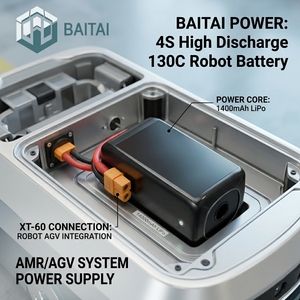
130C 1400mAh 4S High Discharge LiPo Battery for AGV & Autonomous Robots
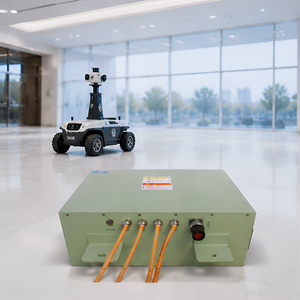
72V 60Ah LiFePO4 AMR Battery Pack with Smart BMS for Autonomous Systems
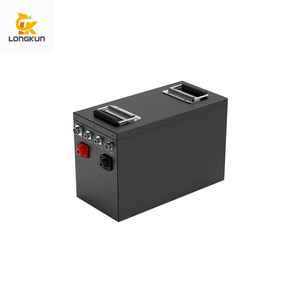
Longkun 24V 30Ah Lithium-Ion Battery Pack with Integrated BMS for AGV/AMR
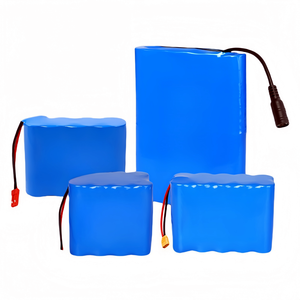
OEM Modular Li-ion Battery Pack 3.7V - 14.8V (18650 / 32650 / 26650)
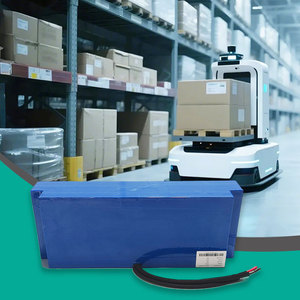
Customized Rechargeable LTO AGV Battery Pack 9Ah Extreme Fast Charge
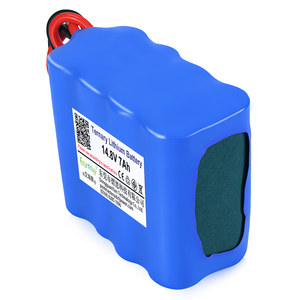
Custom Lithium 14.8V 7Ah NMC 4S2P Pack for Wheelchair & Outdoor Mobility
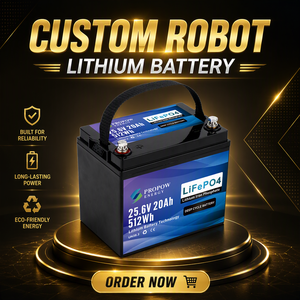
Custom 12V 24V 20Ah LiFePO4 Battery Pack for AGV, AMR & Industrial Telecom
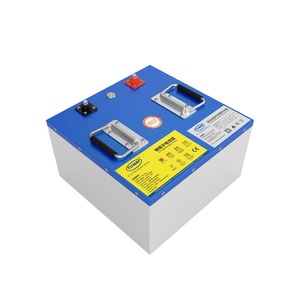
24V LiFePO4 Heavy-Duty Pack 50Ah/80Ah/100Ah (-20°C to 60°C Operating)
Morocco Telecom & Industrial Power Landscape: Market Dynamics & Critical Demand
As the Kingdom of Morocco accelerates its digital transformation under national initiatives led by the Agence Nationale de Réglementation des Télécommunications (ANRT) and major network operators including Maroc Telecom (Itissalat Al-Maghrib), Orange Maroc, and Inwi, the requirement for robust telecom battery chargers and backup power systems has surged exponentially. The rapid expansion of 5G infrastructure, urban fiber-optic nodes in Casablanca and Rabat, and remote solar-powered Base Transceiver Stations (BTS) across the High Atlas Mountains and Saharan provinces requires a shift from legacy lead-acid systems to advanced lithium-ion and LiFePO4 charging technology.
The Moroccan climate presents unique operational hurdles for telecommunications equipment. Outdoor cabinets and isolated BTS towers frequently experience ambient temperatures exceeding 48°C to 52°C in southern regions like Ouarzazate, Zagora, and Laâyoune, combined with significant grid voltage instability in rural distribution lines. Standard off-the-shelf battery chargers fail prematurely under thermal stress, resulting in unexpected network downtime, elevated Level-2 maintenance costs, and reduced battery service life.
Key Power Infrastructure Scenarios in Morocco
High-Density Urban 5G Small Cells
Deployments in metropolitan areas (Casablanca, Marrakech, Tangier) require compact, high-efficiency DIN-rail or 19-inch rack-mounted rectifiers and smart chargers with active PFC and ultra-low acoustic noise emission.
Off-Grid Desert Hybrid BTS Towers
Remote Saharan base stations utilizing combined PV solar panels and diesel generators require multi-source solar battery chargers capable of rapid CC/CV charging under intense solar irradiance.
Tangier Med Logistics & AGV Automation
The industrial hubs of Tangier Med Port and Automotive City require high-current automated chargers and fast-charging LTO/LiFePO4 battery packs for 24/7 Autonomous Mobile Robots (AMRs).
Technical Architecture: OEM Smart Telecom Chargers & Smart BMS Integration
Modern telecom power systems rely on seamless synergy between the AC/DC switch-mode rectifier module, the intelligent battery charger topology, and the internal Battery Management System (BMS). As a trusted OEM manufacturer serving the global market including North Africa, our engineering designs incorporate key technical features to guarantee continuous operational continuity:
1. Multi-Stage Adaptive Charging Algorithms (CC/CV/Float/Equalization)
Unlike standard static chargers that risk overcharging or plate sulfation, telecom-grade smart chargers utilize programmable multi-stage charging parameters optimized for specific battery chemistries:
- Constant Current (CC) Phase: Delivers full rated current to bulk-charge depleted battery banks (up to 80-90% SOC) rapidly after a power outage.
- Constant Voltage (CV) / Absorption Phase: Tapers charging current while maintaining tight voltage regulation (+/- 0.5%), preventing thermal runaway in lithium cells.
- Float & Trickle Phase: Maintains full charge while suppressing self-discharge without generating parasitic heat inside sealed outdoor enclosures.
- Temperature-Compensated Float Charging: Integrated NTC thermal sensors dynamically adjust float voltage by -3mV/°C/cell relative to ambient temperature shifts.
2. Remote Monitoring Protocols (SNMP v3, Modbus RTU & RS485)
To eliminate manual site inspections across geographically dispersed Moroccan provinces, our telecom charger systems feature native digital communications interfaces. Network engineers can remotely monitor real-time metrics including input AC line voltage, DC output voltage, charge current, State of Charge (SOC), State of Health (SOH), and cell-level temperature alerts via centralized Network Management Systems (NMS).
Performance Comparison: Legacy Chargers vs. Tier-1 OEM Smart Telecom Chargers
| Performance Parameter | Legacy Lead-Acid Telecom Chargers | OEM Smart LiFePO4 Telecom Chargers | Morocco Operational Advantage |
|---|---|---|---|
| Power Conversion Efficiency | 82% - 87% | 96% - 98.5% | Reduces energy losses and lowers cabinet thermal load. |
| Operating Temp Range | 0°C to 40°C | -20°C to 65°C | Withstands extreme Saharan summer ambient heat. |
| Recharge Time (0-90% SOC) | 8 - 12 Hours | 1 - 2.5 Hours | Ensures full recovery between frequent grid outages. |
| Remote Telemetry Support | Basic Relay Contacts | SNMP v3, CANbus, Modbus | Allows centralized remote fleet management across Morocco. |
| Expected Service Life | 3 - 5 Years | 10 - 15 Years | Dramatically reduces total cost of ownership (TCO). |
Why Partnering with an Established Manufacturer Matters for the Moroccan Market
Navigating international procurement requires reliable manufacturing standards, certified product safety, and proven engineering capabilities. With over 40 years of precision manufacturing heritage since 1983, our factory delivers end-to-end customization for OEMs, telecommunications integrators, and industrial partners in Morocco and across EMEA markets.
ISO 9001:2015 Quality Assurance
Every charger circuit board and battery pack undergoes 100% automated optical inspection (AOI), full-load burn-in testing, and thermal chamber cycling prior to international shipment.
Global Regulatory Compliance
Fully compliant with CE, UL 60950-1 / UL 62368-1, IEC 62619, and UN38.3 transport safety standards, matching Moroccan customs clearance requirements without delay.
Custom Mechanical & Electrical OEM/ODM
From custom DC output connectors, IP65 weather-proof outdoor enclosures, to tailored firmware protocol conversion — our engineering team builds to exact client specifications.
Morocco Telecom Battery Chargers Procurement FAQs
Common technical, regulatory, and logistics queries answered by our senior battery power system engineers:
Partner with a Leading Telecom Charger Manufacturer Today
Need custom voltage outputs, high thermal resistance, or integrated remote telemetry for your Moroccan network deployment? Speak directly with our lead application engineers.
Inquire Now