Battery Engineering Blog
Discover expert perspectives, custom battery design guides, charging solutions, and industry updates from USA engineers.
Emergency Battery Modules & Conversion Kits
Explore our top-tier certified emergency lighting power modules, LiFePO4 battery packs, and smart backup conversion drivers engineered for seamless integration into industrial and commercial LED fixtures.
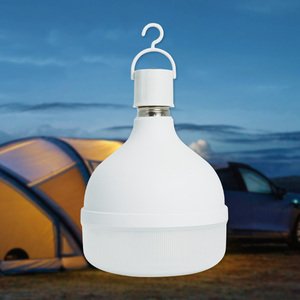
Rechargeable Bulb Emergency Lights E27 Portable Emergency Light 50W 40W 30W 20W Led Emergency Light for Night Fishing Camping
Self-charging emergency LED bulb equipped with high-capacity lithium backup cell. Operates seamlessly under main power and automatically switches to emergency power during grid outages.
Get a Quote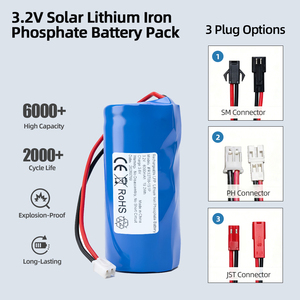
OEM ODM 3.2V 6000mAh Rechargeable Battery Pack With Smart BMS For LED Emergency Light And Solar Lighting
Long-lifecycle LiFePO4 battery pack integrated with automated Smart BMS for overcharge, deep discharge, and short-circuit protection. Designed for industrial backup fixtures and solar lighting.
Get a Quote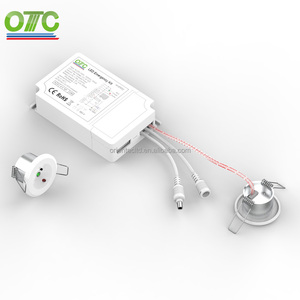
OT-EPD02NST LiFePO4 Emergency Lighting Module for Panel Light
Compact low-profile emergency driver designed specifically for ultra-thin LED ceiling panels in commercial office hubs. Features automatic self-testing and constant power lumen maintenance.
Get a Quote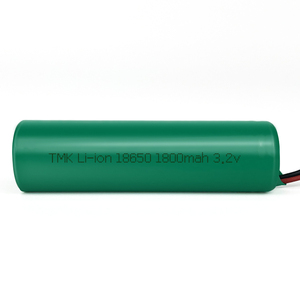
18650 3.2V 1.8Ah 3.6Ah LiFePO4 Lithium Iron Phosphate Battery For Emergency Lighting Exit Signs IEC62133 62620 UN38.3 Approved
High-reliability 18650 cylindrical LiFePO4 cell assemblies optimized for illuminated exit signs and emergency escape route markers. Fully compliant with international transportation safety standards.
Get a Quote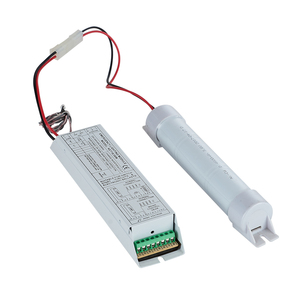
Emergency Pack Module Wholesale Rechargeable Emergency Backup Battery Pack T8 18W~70W Fluorescent Lamp Emergency Conversion Kit
Universal emergency inverter kit engineered to retrofit legacy T8 fluorescent fixtures and modern LED tube linear systems. Delivers up to 3 hours of uninterrupted backup output.
Get a Quote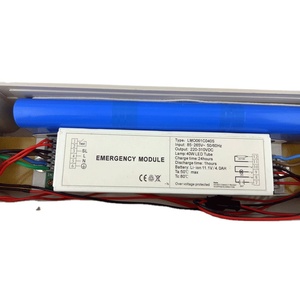
Full Power Rechargeable Battery Pack Led Emergency Lighting Module, Ip65 40w Led Emergency Light Power Kits
Heavy-duty IP65 waterproof emergency driver module providing 100% full lumen output during power loss. Engineered for industrial plants, parking garages, and humid environments.
Get a Quote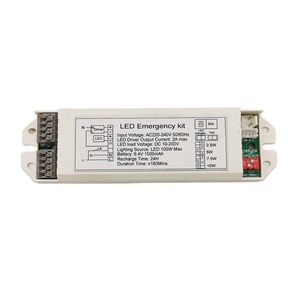
Led Emergency Module Power Supply Battery Emergency Conversion Module With Light
All-in-one emergency conversion unit with tri-color LED operational status indicator. Provides automated diagnostics, instant power transfer (<0.5s), and deep-discharge protection.
Get a Quote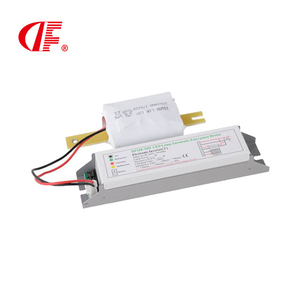
Emergency Lighting Module for LED T5 or T8 Rectangle Profile Kit 12W 1.5hrs Power Lithium Battery
Slimline rectangular emergency driver ideal for space-constrained T5 and T8 aluminum profiles. Incorporates high-density lithium storage for reliable 90-minute illumination compliance.
Get a QuoteTechnical Whitepaper: Precision Emergency Lighting Power Architecture in Berlin
In the modern urban landscape of Berlin, Germany, building safety and emergency power resilience are governed by strict European standards, specifically DIN EN 50172 (Emergency escape lighting systems) and DIN VDE 0108-100. As the capital city continues to spearhead sustainable architecture—from the commercial developments in Europacity and Potsdamer Platz to the historic retrofits across Mitte and Charlottenburg—the requirements placed on emergency lighting battery modules have evolved dramatically.
Modern emergency lighting is no longer just about providing rudimentary light during a blackout; it represents a sophisticated line of life-safety defense. Facility managers, electrical design engineers, and OEM luminaire manufacturers serving the Berlin market require decentralized emergency lighting battery modules that offer superior thermal tolerance, high cycle life, self-testing capability (EN 62034), and seamless integration into low-profile LED fixtures.
Architectural Retrofitting vs. Smart Building Integration in Berlin
Berlin presents a unique engineering challenge due to its dual architectural identity:
- Historical Preservation (Altbau & Industrial Heritage): Protected historical structures across Kreuzberg and Prenzlauer Berg prohibit invasive structural conduit modifications. Compact, self-contained emergency conversion modules (such as the OT-EPD02NST and E27 Portable Emergency Bulbs) enable non-destructive retrofit compliance without disrupting historical interior aesthetics.
- High-Efficiency Smart Green Buildings (Neubau): Commercial towers equipped with DALI-2 (Digital Addressable Lighting Interface) and automated building management systems (BMS) demand smart emergency modules with micro-processor controlled self-diagnostic testing protocols and stable LiFePO4 chemistry.
Battery Chemistry Architecture: Why LiFePO4 Dominates Berlin Emergency Systems
For decades, emergency lighting backup systems relied heavily on Nickel-Cadmium (NiCd) and Nickel-Metal Hydride (NiMH) battery packs. However, EU environmental directives (RoHS and REACH restrictions on toxic heavy metals) combined with stringent performance benchmarks have rendered legacy chemistries obsolete. Our OEM manufacturing facility specializes in advanced Lithium Iron Phosphate (LiFePO4 / LFP) cell technology for emergency power kits.
Thermal Stability & Safety
LiFePO4 cells possess a robust olivine crystal structure that resists thermal runaway even under high ambient ceiling cavity temperatures (+60°C). Unlike cobalt-based lithium-ion cells, LFP does not decompose exothermically, ensuring zero risk of combustion in dense public buildings.
Extended Design Life (10+ Years)
With an operational lifespan exceeding 2,000 to 3,000 charge/discharge cycles at 80% Depth of Discharge (DoD), LFP modules dramatically reduce total cost of ownership (TCO) by eliminating frequent battery replacement cycles required by NiCd cells every 2–3 years.
Smart BMS Protection Circuit
Each module features an integrated multi-tiered Battery Management System (BMS) that monitors individual cell voltage balance, prevents over-charging, halts deep discharge before plate degradation occurs, and regulates thermal cutoffs during rapid charging.
Technical Performance Matrix: LiFePO4 vs. Legacy Chemistries
| Performance Parameter | Cell-Con LiFePO4 Module | Legacy NiCd Battery | Standard NiMH Battery |
|---|---|---|---|
| Design Lifespan | 8 to 10+ Years | 2 to 4 Years | 3 to 5 Years |
| Charge/Discharge Cycles | 2,000 - 3,500 Cycles | 500 Cycles | 500 - 800 Cycles |
| Energy Density (Wh/kg) | 130 - 160 Wh/kg | 40 - 60 Wh/kg | 70 - 90 Wh/kg |
| Operating Temperature Range | -20°C to +65°C | 0°C to +45°C | -10°C to +50°C |
| Self-Discharge Rate (per Month) | < 1.5% | 15% - 20% | 20% - 25% |
| Hazardous Heavy Metals | None (RoHS Compliant) | Contains Toxic Cadmium | Low Toxicity |
| Automatic Self-Testing Support | Native (EN 62034 Microchip) | External Circuit Needed | Limited |
Localized Application Scenarios Across Berlin's Key Sectors
Emergency lighting requirements vary significantly based on building typology and local municipal regulations enforced by Berlin’s public safety authorities (Bauaufsichtsamt). Below are four primary deployment scenarios where our specialized battery modules excel:
Scenario A: Modern Commercial Offices & Tech Campuses (e.g., Mediaspree & Europacity)
In high-density corporate environments, aesthetic lighting profiles such as ultra-thin LED panels and recessed linear channels leave zero room for bulky emergency gear. Modules like the OT-EPD02NST LiFePO4 Emergency Module are engineered with slim-line form factors that slide effortlessly into restricted profile track systems. Operating with a constant-power emergency output kit, they maintain uniform lux levels along escape corridors for the mandatory 1.5 to 3-hour backup durations mandated by German building codes.
Scenario B: Transit Infrastructure & Underground Stations (BVG U-Bahn & S-Bahn Hubs)
Public transportation terminals demand ruggedized components resilient to dust accumulation, vibration from passing trains, and high moisture levels. Our IP65 Full Power 40W Rechargeable Emergency Battery Pack features sealed moisture-resistant housing, anti-vibration terminal blocks, and extended ambient thermal tolerance. During main grid failure in subterranean concourses, it delivers full rated light output instantly (<0.2s switchover), preventing panic and ensuring clear visibility along emergency egress routes.
Scenario C: Industrial Logistics & Warehousing (Berlin-Brandenburg Logistics Ring)
Large-scale distribution facilities operating high-bay LED lights require high-voltage, high-capacity emergency conversion drivers. The Universal T8/T5 Emergency Backup Conversion Kits allow facility managers to convert existing high-bay linear tubes into dual-purpose luminaires without installing expensive redundant emergency lighting fixtures.
Scenario D: Historic Building Restorations & Hospitality Venues
For boutique hotels, restaurants, and preserved historical landmarks in Berlin-Mitte, rewiring walls to accommodate central battery systems is legally restricted or prohibitively expensive. Self-contained E27 Rechargeable Emergency LED Bulbs (20W–50W) provide an ingenious decentralized solution: they operate as standard ambient lighting while automatically switching to their internal lithium battery during localized power cuts.
Manufacturing Rigor & Quality Assurance Standards
As a global OEM/ODM battery manufacturer with over four decades of cell pack assembly expertise (operating since 1983), our production facility adheres to strict quality management standards. Every single emergency lighting battery pack destined for the European market undergoes multi-stage verification:
1. Automated Cell Matching & Grading
To eliminate cell voltage imbalances that shorten battery pack life, cylindrical 18650 and 3.2V LiFePO4 cells are sorted using automated capacity, internal resistance (IR), and voltage grading machinery prior to spot welding.
2. Complete Certification Suite
All emergency packs carry comprehensive international compliance certifications including IEC 62133-2 (Lithium battery safety), IEC 62620 (Industrial lithium cells), UN38.3 (Transport safety), and CE (LVD & EMC directives).
3. 100% Thermal & Electrical Burn-In Testing
100% of manufactured emergency drivers and conversion kits undergo automated full-cycle charge, discharge, and switchover latency testing inside environmental temperature chambers before packaging.
4. Custom OEM Mechanical & BMS Tailoring
We assist electrical equipment manufacturers in designing custom housing dimensions, wiring harness lengths, connector types, and specialized BMS firmware to fit proprietary luminaire designs.
Frequently Asked Questions (FAQ) – Emergency Lighting Procurement in Berlin
Q1: Are your emergency battery modules fully compliant with German DIN EN 50172 regulations?
Yes. Our emergency lighting drivers and conversion modules are engineered to satisfy DIN EN 50172 and DIN VDE 0108-100 escape route lighting standards. They deliver immediate emergency power activation (<0.5 seconds switchover) and sustain constant lumen output for the mandated minimum duration (1.5 to 3 hours based on building type).
Q2: Why is LiFePO4 preferred over NiCd for emergency lighting in European commercial buildings?
LiFePO4 offers three crucial advantages: 1) Environmental compliance with EU REACH and RoHS restrictions against toxic Cadmium; 2) Superior thermal endurance inside hot fixture housings (+60°C); and 3) A 10-year design life that eliminates the costly 2 to 3-year battery replacement labor cycles typical of NiCd systems.
Q3: Can your conversion modules be retrofitted into existing LED panel fixtures without changing drivers?
Yes! Modules like the OT-EPD02NST and universal emergency driver kits are designed for series installation between the mains AC supply, standard LED driver, and the LED panel. During normal utility power operation, mains power passes through to the main driver while trickle-charging the battery. Upon power loss, the emergency module redirects stored battery power directly to the LED array.
Q4: How does the automated self-testing feature (EN 62034) operate on your emergency drivers?
Our smart emergency modules feature onboard microcontrollers that execute automated periodic self-tests in accordance with EN 62034. The module runs a monthly short-duration functional test and an annual full-duration discharge test. Status LEDs indicate operational health, charge state, or potential battery degradation without requiring manual testing key switches.
Q5: What certifications accompany battery shipments to Germany and the EU?
All shipments include comprehensive compliance dossiers featuring IEC 62133-2 cell safety reports, IEC 62620, UN38.3 transport test summary reports, MSDS, CE declaration of conformity, and RoHS material analysis documentation required for smooth European customs clearance and local building inspection sign-offs.
Q6: What is the typical lead time for custom OEM emergency lighting battery orders serving Berlin?
Standard stock conversion kits and battery packs ship within 3 to 7 business days. Custom OEM/ODM orders (involving specialized wiring harnesses, custom metal enclosures, or custom BMS parameters) typically require 2 to 4 weeks from technical drawing approval to final dispatch.
Need a Custom Emergency Lighting Battery Solution in Berlin?
Consult directly with our senior application engineers. We offer sample evaluations, technical whitepaper documentation, photometric emergency spacing support, and OEM pricing for lighting manufacturers and project contractors.