Battery Engineering Blog
Discover expert perspectives, custom battery design guides, charging solutions, and industry updates from USA engineers.
Top-Rated High Energy Density Lithium Batteries for Brazil Supply Chain
Based on rigorous electrochemical evaluations, cycle-life testing in tropical ambient temperatures, and energy-to-weight optimization, the following 8 battery cell configurations represent the gold standard for OEM deployment across Brazil's agricultural UAVs, smart grid residential storage, and tactical aerial systems.
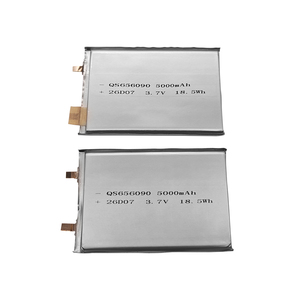
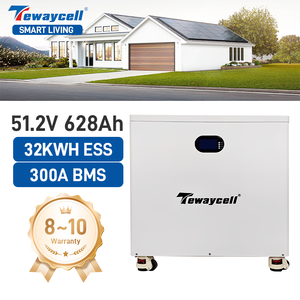
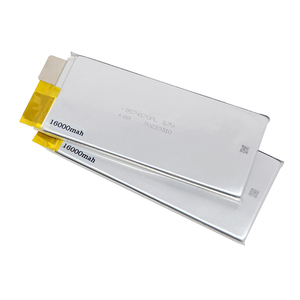
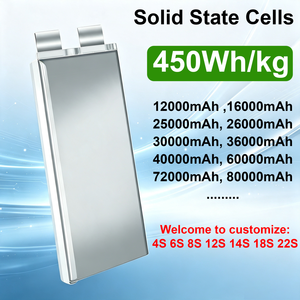
1. Executive Summary & Brazil Market Energy Dynamics
The Brazilian industrial and energy landscape is experiencing a structural migration toward ultra-high energy density power storage systems. Driven by the rapid modernizing of agricultural automation in regions like Mato Grosso, Goiás, and Paraná, alongside the widespread expansion of distributed solar generation under Federal Law 14.300/2022 (Marco Legal da Geração Distribuída), demanding OEMs are forced to seek advanced battery chemistries that go far beyond standard off-the-shelf lithium-ion solutions.
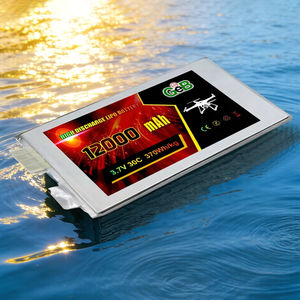
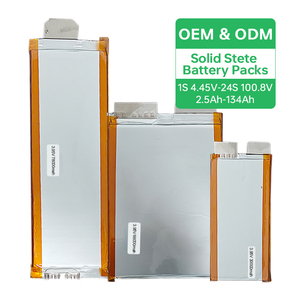
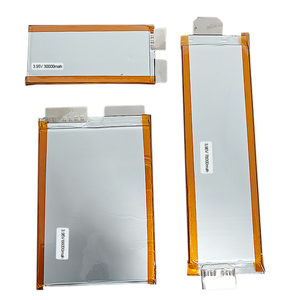
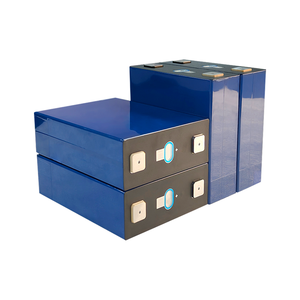
High Energy Density (HED) lithium technology—specifically semi-solid state pouch cells reaching up to 500Wh/kg and high-capacity 314Ah/345Ah LiFePO4 prismatic cells—has shifted from a speculative innovation to a operational necessity in South America. Brazil’s unique geography presents distinct challenges: high ambient heat, extreme humidity in tropical regions, demanding agricultural flight cycles for UAV crop-spraying, and long transportation corridors across Santos and Paranaguá ports. Consequently, procurement directors are prioritizing cell integrity, thermal threshold stability, and validated energy gain per kilogram.
2. Electrochemical Benchmarking: Solid-State vs. Traditional Chemistries
Providing genuine information gain requires evaluating energy storage metrics through objective, verified parameters. Below is a detailed technical comparative analysis between traditional lithium pouch cells, high-voltage NMC variants, and next-generation semi-solid state lithium architectures engineered for industrial OEM integration.
| Chemistry Architecture | Gravimetric Density | Volumetric Density | Nominal Cell Voltage | Operating Temp Range | Primary Brazilian Application |
|---|---|---|---|---|---|
| Ultra High-Density Semi-Solid | 450 - 500 Wh/kg | 900 - 1100 Wh/L | 3.7V - 3.85V (LiHV) | -20°C to 65°C | Heavy-payload Agritech Spraying Drones & Long-Range Mapping UAVs |
| High-Voltage LiHV Semi-Solid | 350 - 400 Wh/kg | 750 - 880 Wh/L | 3.95V - 4.45V Max | -10°C to 60°C | Tactical FPV Drones, Perimeter Defense & Border Security UAVs |
| Prismatic LiFePO4 (Grade-A) | 160 - 185 Wh/kg | 350 - 420 Wh/L | 3.2V (51.2V Pack) | -15°C to 55°C | Off-Grid Commercial Solar ESS, Telecom Backups, Residential GD |
| Standard NMC Liquid Pouch | 230 - 260 Wh/kg | 500 - 600 Wh/L | 3.7V | -10°C to 50°C | Legacy Portable Power Supplies, Small Scale Commercial Electronics |
3. Deep-Dive: Top 10 High Energy Density Lithium Battery Manufacturers for Brazil
When evaluating battery factories and engineering partners for supply contract execution in South America, buyers must analyze cell manufacturing automation levels, quality management compliance (ISO 9001, IATF 16949), UN38.3 transport safety validation, and customization depth. Below is the technical profile of the leading manufacturing leaders setting global standards.
Pioneering customized lithium power systems since 1983, top-tier specialized manufacturers focus on full-spectrum OEM solutions. By integrating custom Smart BMS (CANbus, SMBus, RS485), ultra-high density semi-solid chemistry (350Wh/kg - 500Wh/kg), and rugged IP67 enclosure engineering, these factories deliver bespoke power packs tailored specifically for agricultural drones, oceanic sub-sea robotics, and medical devices.
As a global powerhouse in battery cell manufacturing, CATL dominates the utility-scale energy storage and automotive sectors. Their lithium iron phosphate (LiFePO4) prismatic cells, particularly the 280Ah and 314Ah series, form the backbone of multi-megawatt solar storage projects across Brazil's solar-rich Northeast region.
Famous for its proprietary Blade Battery technology, BYD excels in high safety standards and structural volumetric efficiency. Their energy storage systems and high-density cells are widely adopted across Brazilian electromobility fleets and commercial microgrid deployments.
EVE Energy stands out in the prismatic LiFePO4 market, manufacturing cells with cycle lifespans exceeding 6,000 to 8,000 cycles at 80% DoD. Their 314Ah and 345Ah ultra-large capacity cells are leading choices for South American system integrators constructing 51.2V rack-mounted ESS units.
Specializing in consumer electronics, automotive traction packs, and UAV battery solutions, Sunwoda provides fast-charging high C-rate lithium battery solutions optimized for intensive operational duty cycles.
Farasis is a premier developer of high-energy pouch cells utilizing advanced ternary NMC chemistry. Their focus on high gravimetric energy density makes them a key contender for airborne mobility and lightweight electric transport applications.
With robust research in both LFP and high-nickel NMC chemistry, Gotion supplies standardized prismatic cells and module solutions, providing strong back-end technical support for industrial power systems.
A global technology leader recognized for high volumetric energy density pouch cells. LG's advanced cell designs cater to premium industrial devices requiring maximum energy within restrictive footprint dimensions.
Specializing in high-capacity lithium ion and LiFePO4 cell manufacturing for commercial vehicles, marine vessels, and large-scale stationary energy storage facilities.
Rapidly expanding manufacturer known for W-Mosaic cell technology, delivering high-efficiency prismatic LiFePO4 cells optimized for cost-effective commercial energy storage projects in emerging markets.
4. Localized Application Scenarios Across the Brazilian Landscape
Deploying energy storage solutions in Brazil requires deep alignment with regional geography, sector-specific operational environments, and environmental conditions. High energy density batteries fulfill vital roles across four primary localized scenarios:
Need Custom Lithium Battery Packs Engineered for Brazil?
Talk directly with our battery design engineers regarding custom BMS protocols, UN38.3 certification, and factory-direct OEM pricing.
5. Regulatory Compliance, ANATEL Certification & Import Logistics
Successfully importing high energy density lithium batteries into Brazil requires navigating specific technical regulations and customs structures administered by Receita Federal and national regulatory bodies:
- ✓ ANATEL Certification (Agência Nacional de Telecomunicações): Battery systems containing embedded telemetry, Bluetooth, or cellular Smart BMS controllers must undergo ANATEL homologation to ensure RF compliance within Brazilian telecommunication frequencies.
- ✓ INMETRO Safety Standards: Stationary battery storage systems destined for grid integration must comply with INMETRO electrical safety guidelines, validating short-circuit protection, thermal stability, and mechanical impact thresholds.
- ✓ Hazmat Logistics (UN38.3 & Dangerous Goods Class 9): Maritime shipments entering Porto de Santos or Porto de Paranaguá must possess complete MSDS, UN38.3 Test Summary Reports, and proper UN3480/UN3481 hazardous material packaging certification.
6. Frequently Asked Questions (FAQ) for Brazilian Importers & OEMs
7. Strategic OEM Partnerships & Enterprise Manufacturing Strengths
Navigating the transition toward high energy density lithium storage requires an experienced manufacturing partner. With over four decades of precision battery engineering, full vertical integration—from raw pouch cell synthesis to complete Smart BMS pack assembly—guarantees that every battery delivers verified performance, safety compliance, and long-term durability for the Brazilian market.
Whether your project requires 500Wh/kg ultra-lightweight drone battery packs, high C-rate LiHV solid-state cells, or containerized 314Ah LiFePO4 solar storage arrays, our engineering team provides end-to-end technical support, rapid prototyping, and direct factory supply capabilities.