Technical Articles & Insights
Battery Engineering Blog
Discover expert perspectives, custom battery design guides, charging solutions, and industry updates from USA engineers.
Engineered for Subsea & Mobile Robotics
Sydney Market Oceanic & AGV Battery Lineup
Explore our high-discharge, smart BMS-integrated lithium-ion, LiFePO4, NMC, and LTO battery packs tailored for autonomous underwater vehicles (AUV), autonomous mobile robots (AMR), and marine logistics.
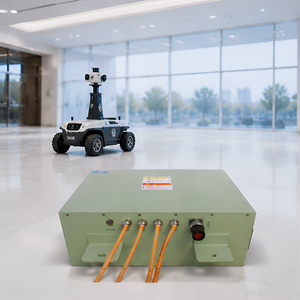
72V 60Ah LiFePO4 AMR Mobile Robot Battery Pack for Autonomous Robot System High Discharge Smart BMS Custom OEM ODM Wholesale
Inquire Now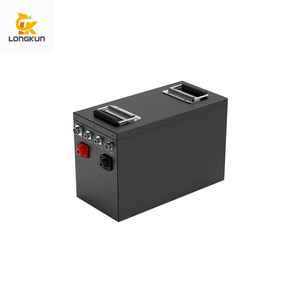
Longkun 24V 30Ah Lithium Ion Robot Battery Pack with BMS Rechargeable Li-ion Battery for AGV AMR Mobile Robots
Inquire Now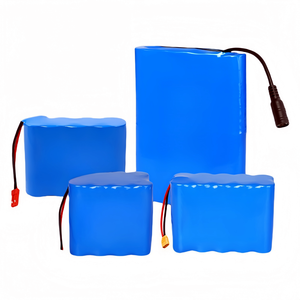
OEM Li-ion Battery Pack 3.7V 7.4V 11.1V 14.8V 18650 32650 26650 Lithium Ion Battery Pack for Autonomous Floor-Cleaning AMR Robot
Inquire Now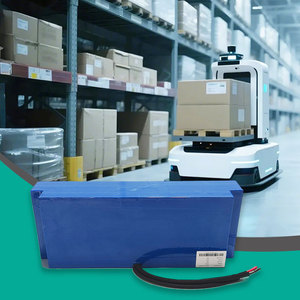
Customized Rechargeable LTO Agv Battery Pack 9Ah Autonomous Mobile Robot Agv Battery
Inquire Now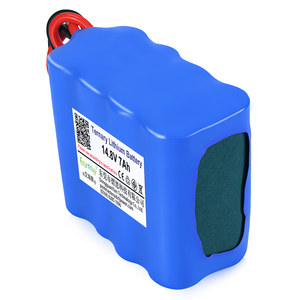
Custom Lithium Battery 14.8V 7Ah NMC 4S2P High Capacity for Autonomous Mobile Robot Electric Wheelchair Lawn Mower
Inquire Now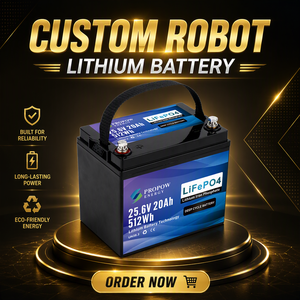
Custom Robot Lithium Battery 12V 24V 20Ah Lithium Battery for Robot, Rechargeable LiFePO4 Battery Pack for AGV AMR Mobile Robots
Inquire Now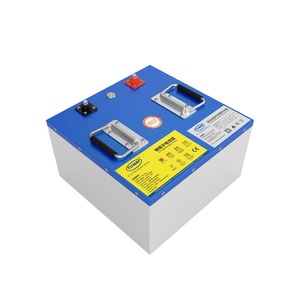
24V LiFePO4 Battery Pack 50Ah 60Ah 80Ah 100Ah with BMS 1500 Cycles -20C~60C for AGV AMR Robot Mobile Platform
Inquire Now
Market Intelligence & Technical Analysis
State of Oceanic & Subsea Energy Storage in the Sydney Region
Evaluating electro-chemical performance requirements, marine environmental stressors, and localized procurement trends across New South Wales commercial maritime networks.
The Sydney metropolitan area and the broader New South Wales coastline represent one of the Southern Hemisphere’s most dynamic hubs for commercial maritime engineering, oceanic survey technology, subsea robotics, and automated port logistics. From heavy maritime shipping operations around Port Botany and Port Jackson to autonomous oceanographic research stations operating offshore near the Tasman Sea, the requirement for ultra-reliable, high-energy-density oceanic battery packs has reached an unprecedented peak.
Maritime environment operational parameters differ fundamentally from terrestrial battery applications. Subsea robotics, Autonomous Underwater Vehicles (AUVs), Remotely Operated Vehicles (ROVs), and coastal monitoring buoys require power architectures capable of enduring high hydrostatic pressure, constant vibration from wave dynamics, atmospheric moisture saturated with ocean salts, and extreme thermal gradients between surface exposure and deep water submersion. Original Equipment Manufacturers (OEMs) and engineering factories in the Sydney market are increasingly phasing out traditional lead-acid and unmanaged lithium assemblies in favor of customized, smart-BMS regulated lithium iron phosphate (LiFePO4), nickel manganese cobalt (NMC), lithium titanate (LTO), and high-discharge rate lithium polymer (LiPo) power units.
40+
Years Engineering Leadership
IP68/69K
Marine Seal Ratings
130C
Peak Discharge Capability
ISO 9001
Certified Quality Control
To deliver true Information Gain for marine engineers and procurement managers seeking factories supplying Sydney, this whitepaper breaks down the exact electro-chemical selection criteria, mechanical isolation strategies, regulatory standards (such as UN 38.3, IEC 62619, and DNV GL guidelines), and custom BMS architecture needed to ensure zero failure rates in saltwater operational zones.
Operational Versatility
Localized Application Scenarios across Greater Sydney & NSW
Custom battery pack configurations designed to address specific industrial automation and marine deployment challenges across Sydney’s harbors, ports, and coastal facilities.
Oceanographic Survey & AUV Systems
Deployments in Botany Bay and offshore oceanic corridors require high volumetric energy density (NMC and specialized LiPo) encapsulated in pressure-rated housing to power multi-beam sonars, subsea cameras, and propulsion thrusters over extended survey missions.
Port Botany AGV & Container Handling
Sydney’s automated container terminals rely on continuous 24/7 operation of heavy AGVs and AMRs. High-capacity 72V 60Ah and 24V 100Ah LiFePO4 packs deliver rapid opportunity charging, 1500+ deep cycles, and complete thermal stability under relentless industrial workloads.
Solar-Hybrid Marine Buoys & Sensing Nodes
Coastal water quality monitoring stations along the NSW littoral zone utilize wide-temperature LTO (Lithium Titanate) and LiFePO4 packs capable of discharging safely between -20°C and +60°C while resisting continuous solar overcharging cycles.
Engineering Whitepaper
Key Electrochemical & Mechanical Selection Matrix
A rigorous breakdown of lithium chemistries tailored for oceanographers, naval architects, and roboticists seeking manufacturing partners in Sydney.
Selecting the optimal battery chemistry for marine and oceanic applications requires balancing five critical parameters: gravimetric energy density (Wh/kg), volumetric energy density (Wh/L), continuous discharge C-rate capability, cycle life, and thermal safety under physical stress. The table below outlines how our engineering team customizes solutions for Sydney manufacturers and system integrators:
| Chemistry | Nominal Cell Voltage | Cycle Life (80% DOD) | Key Strengths in Oceanic Use | Target Sydney Application |
|---|---|---|---|---|
| LiFePO4 (Lithium Iron Phosphate) | 3.2V | 2,000 - 4,000+ | Extreme thermal safety, non-combustible, zero thermal runaway in sealed marine enclosures. | Heavy AMR/AGV port logistics, marine auxiliary power, offshore solar buoys. |
| NMC (Nickel Manganese Cobalt) | 3.6V - 3.7V | 1,000 - 1,500 | High energy density per kilogram, compact envelope for payload-restricted subsea hulls. | Autonomous Underwater Vehicles (AUV), deep-sea ROVs, portable hydrographic gear. |
| LTO (Lithium Titanate) | 2.3V | 15,000 - 20,000+ | Ultra-fast charging (10C rate), operative from -30°C to +65°C, exceptional lifespan. | Rapid-charge automated dock stations, military defense robotics, extreme weather telemetry. |
| High-Rate LiPo (Lithium Polymer) | 3.7V | 500 - 800 | Enormous continuous surge current (up to 130C peak), custom pouch shapes. | High-speed marine drones, service robot actuators, emergency ballast release mechanisms. |
1. Corrosion Resistance & Hermetic Sealing Architecture
Exposure to coastal atmospheric salt fog in Sydney Harbor accelerates galvanized corrosion on battery terminals, nickel strips, and internal PCB circuits. Custom battery manufacturing for this sector requires 316L surgical stainless steel or anodized marine-grade aluminum (6061-T6) outer enclosures. Internally, electrical busbars undergo conformal coating using silicone or polyurethane acrylics to prevent micro-dendrite formation caused by moisture intrusion.
2. Smart BMS (Battery Management System) & Protocol Integration
Unmanaged lithium packs present catastrophic risks when deployed in pressurized, airtight oceanic subsea hulls. Modern smart battery packs built for Sydney OEMs feature multi-tier BMS hardware executing real-time cell balancing, over-voltage/under-voltage protection, over-current cutoff, and short-circuit isolation. Communication interfaces must support CANbus (J1939 or CANopen), SMBus, RS485, and Modbus, allowing smooth telemetry streaming to onboard vehicle main controllers and remote cloud telemetry dashboards.
Thermal Management in Sealed Hulls
Oceanic batteries enclosed in pressure-proof underwater housings cannot rely on ambient air convective cooling. Our pack designs utilize internal phase-change materials (PCM), aluminum thermal cold-plates, and high-conductivity thermal gap pads that sink cell heat directly into the metallic outer hull, preventing localized thermal hot-spots during high C-rate discharge cycles.
UN 38.3 & DNV GL Compliance
Shipping large-format lithium assemblies into Sydney airports (SYD) or Port Botany requires rigorous safety compliance. Every production batch undergoes certified UN 38.3 transport testing (altitude simulation, thermal shock, vibration, impact, external short circuit, and forced discharge) to ensure smooth Australian Customs clearage.
Market Outlook & Technology Adoption
Sydney Market Trends: The Electrification of Coastal & Port Infrastructure
Understanding the economic drivers, government sustainability initiatives, and engineering shifts accelerating custom battery adoption in New South Wales.
The Sydney region is experiencing a systemic shift toward maritime decarbonization and robotic automation. Driven by the NSW Net Zero Plan Stage 1 and expanding commercial investments in Sydney Harbour electrifications, maritime operators are retrofitting existing diesel-powered assets with pure electric or hybrid energy storage banks.
Key growth trends shaping procurement among Sydney factories and system integrators include:
- Modular Swap-Pack Ecosystems for Commercial AMRs: Warehouse facilities surrounding Western Sydney Airport and Botany Freight Hubs are standardizing on 24V, 36V, and 48V quick-swap LiFePO4 battery modules. These systems eliminate overnight charging downtime by utilizing automated robot battery exchange stations.
- Deep-Sea Hydrographic Sensing & Environmental Protection: Research institutions based around Sydney are expanding autonomous fleet monitoring of marine biodiversity and sea levels. These long-endurance ocean gliders rely on NMC and LiFePO4 packs designed to operate safely down to 3,000 meters underwater depth pressure.
- High-Discharge Actuation for Service & Lawn Maintenance Robots: Municipalities across Coastal Sydney are transitioning to autonomous floor-cleaning AMRs in transportation hubs and commercial lawn maintenance robots for oceanfront public spaces, driving demand for 14.8V 7Ah NMC and 130C high-discharge LiPo battery solutions.
Over 40 Years of Engineering Integrity
Why Leading Sydney OEMs Partner with Our Battery Manufacturing Facilities
Leveraging deep electro-chemical expertise, ISO 9001 quality systems, and turnkey custom manufacturing capabilities to power mission-critical hardware globally.
End-to-End OEM/ODM Customization
We do not push off-the-shelf compromises. Our engineering team designs custom PCB protective circuits, tailored BMS algorithms, specialized wiring harnesses, and custom 3D enclosure CAD drawings to fit your exact device cavity dimensions.
Strict Cell Grade Selection
Every single battery pack manufactured for Sydney buyers utilizes Tier-1 A-grade cylindrical or prismatic cells (LiFePO4, NMC, LTO, or LiPo) with verified lot consistency, internal impedance matching, and full batch traceability.
Complete Regulatory Validation
From initial design concept through mass assembly, our in-house testing facilities perform thermal shock cycling, short-circuit validation, vibration drop testing, and UN 38.3 certification support for trouble-free global export.
Frequently Asked Questions
Sydney Market Procurement & Technical FAQ
Direct answers to common engineering, regulatory, and logistics queries from Australian OEMs sourcing oceanic and robotics battery packs.
What IP rating is required for oceanic battery packs operating in Sydney Harbor or offshore NSW?
For surface marine applications and splash zones, a minimum of IP67 (dust-tight, water immersion up to 1m) is mandatory. For submerged subsea robotics, AUVs, and ROVs, custom battery packs are engineered inside pressure-compensated IP68 or IP69K sealed housings rated to withstand depths from 50 meters down to multi-thousand meter marine trenches.
Why is LiFePO4 chemistry preferred over traditional NMC for automated port AGVs in Sydney?
LiFePO4 provides superior thermal safety and non-combustible chemical stability, making it practically immune to thermal runaway even under mechanical impact or heavy overcharge. Additionally, LiFePO4 delivers 2,000 to 4,000+ full charge/discharge cycles compared to 1,000 cycles for standard NMC, significantly lowering the total cost of ownership (TCO) for continuous 24/7 port automated guided vehicles.
Can you provide custom smart BMS with CANbus integration for Australian robotic systems?
Yes. All our customized smart lithium battery packs can be built with programmable BMS hardware supporting CANbus (CANopen / J1939), SMBus, RS485, or Modbus protocols. This allows Sydney system integrators to monitor individual cell voltages, state of charge (SoC), state of health (SoH), temperature profiles, and cycle counters directly through their master vehicle telemetry systems.
What is the typical lead time for custom prototype battery packs delivered to Sydney factories?
Once initial engineering CAD drawings and electro-chemical specifications are approved, custom sample prototypes are typically manufactured and dispatched within 3 to 5 weeks. Mass production volume batches are shipped via sea or air freight according to your project schedule with complete UN 38.3 documentation for expedited Australian Customs entry.
How do LTO (Lithium Titanate) packs perform in subsea or extreme temperature marine buoys?
LTO chemistry is unmatched in extreme temperature stability. It can safely take charge and discharge in cold ocean waters or scorching exposed deck environments (-30°C to +65°C) without risk of lithium plating. LTO also supports 15,000+ deep cycles, making it ideal for permanent oceanographic sensor stations where replacing battery packs is logistically difficult or cost-prohibitive.
Power Your Next Oceanic or Robotic Project in Sydney
Partner with a trusted custom battery pack manufacturer with over 40 years of electro-chemical engineering excellence. Contact our technical team today to discuss your voltage, capacity, BMS, and enclosure requirements.
Inquire Now