Battery Engineering Blog
Discover expert perspectives, custom battery design guides, charging solutions, and industry updates from USA engineers.
Featured Energy Solutions & Custom Battery Systems
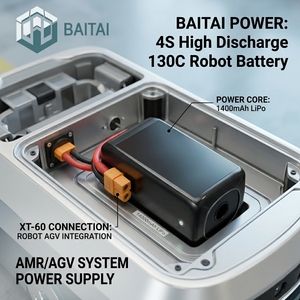
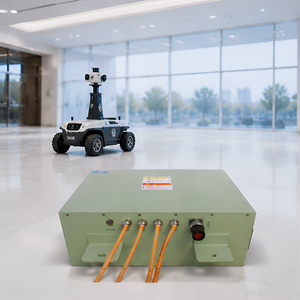
Precision-engineered lithium and high-temperature nickel battery packs designed for autonomous mobile platform applications, extreme thermal stress, and high-discharge reliability.
Industry Whitepaper: High-Temperature NiMH Chemistry in Sub-Saharan African Environments
As Nigeria accelerates its digital transformation, industrial automation, and renewable energy adoption, electrical infrastructure stability remains a central operational challenge. Industrial operators across Lagos, Abuja, Port Harcourt, Kano, and Kaduna face double challenges: **extreme ambient environmental temperatures (frequently exceeding 40°C to 45°C in outdoor enclosures)** combined with continuous commercial power grid unreliability. Under these harsh tropical realities, conventional backup power units—specifically standard lead-acid batteries and non-optimized lithium-ion cells—suffer from catastrophic thermal degradation, capacity fading, or safety risks such as thermal runaway.
This technical whitepaper examines the thermodynamic, electrochemical, and operational benefits of **High-Temperature Nickel-Metal Hydride (NiMH) Battery Packs**. Engineered by premier custom battery manufacturers with over 40 years of power design heritage, high-temperature NiMH chemistry provides an unassailable alternative for Nigerian original equipment manufacturers (OEMs), telecommunication network operators (MTN, Airtel, Globacom), solar microgrid integrators, and industrial facility directors seeking uncompromised operational uptime.
1. Thermodynamic Challenges of Energy Storage in Nigeria
Operating secondary battery systems in Nigeria presents structural challenges distinct from temperate manufacturing zones. In northern states like Kano, Sokoto, and Maiduguri, direct solar radiation on unconditioned metal control cabinets, outdoor telecom shelter boxes, and remote monitoring enclosures creates internal micro-climates where sustained temperatures hover between 55°C and 70°C.
When chemical storage systems operate at elevated thermal baselines, three degradation phenomena accelerate rapidly:
- Grid Corrosion & Sulfation (Lead-Acid): Valve-Regulated Lead-Acid (VRLA) batteries lose 50% of their operational design life for every 8°C rise in temperature above 25°C. At sustained 45°C ambient conditions, a standard 5-year VRLA battery fails in under 12 months.
- SEI Layer Decomposition (Standard Li-ion): Solid Electrolyte Interphase (SEI) growth on graphite anodes in standard lithium-ion chemistries accelerates above 50°C, causing permanent capacity loss, internal impedance spikes, and elevated fire/explosion hazards without expensive HVAC air conditioning.
- Parasitic HVAC Power Draw: Air-conditioned battery shelters deployed at Nigerian base transceiver stations (BTS) consume up to 40% of total site power. When grid outages occur, diesel generator runtime skyrockets purely to keep lithium or lead-acid batteries cooled, severely degrading Total Cost of Ownership (TCO).
High-Temperature NiMH battery packs eliminate the need for active refrigeration units. Designed to accept efficient charge rates at elevated temperatures without venting or breakdown, these battery packs allow engineering teams to deploy maintenance-free power solutions in sealed IP65/IP67 outdoor enclosures directly under the West African sun.
Extreme Thermal Tolerance
Engineered with heat-resilient polyolefin separators and specialized positive electrode formulations, maintaining continuous charge efficiency at +50°C to +70°C without active cooling systems.
Inherently Safe Chemistry
Aqueous electrolyte chemistry guarantees zero risk of thermal runaway, toxic fire emissions, or violent explosion—making it ideal for hazardous industrial oil & gas telemetry and residential emergency systems.
Custom Modular Pack Design
Manufactured to OEM specifications in custom voltage ranges (3.6V to 48V+), capacity configurations, smart SMBus/CANbus BMS integration, and ruggedized shock-resistant casings.
Comprehensive Chemistry Comparison Matrix (+50°C Ambient Operations)
To assist procurement engineers and technical directors in Nigeria with vendor selection and energy architecture design, the matrix below highlights performance metrics under unconditioned Sub-Saharan outdoor environments:
| Performance Vector | High-Temp NiMH (Specialized) | Standard LiFePO4 | Conventional VRLA Lead-Acid |
|---|---|---|---|
| Max Operating Temp (No HVAC) | +70°C to +85°C | +55°C to +60°C | +40°C max |
| Thermal Runaway Hazard | Zero (Aqueous Base) | Low (Requires BMS) | Moderate (Thermal Venting) |
| Float Life at 45°C Ambient | 8 – 12 Years | 3 – 5 Years | < 1.5 Years |
| Charge Acceptance at 50°C+ | High (85-90%) | Moderate (Throttled) | Very Low (Gassing Risk) |
| Enclosure Cooling Requirement | Passive Ventilation Only | Shading / Active Fan | Active HVAC Air Con Required |
| Transport & Shipping Safety | Non-Dangerous Class | Class 9 Hazardous | Corrosive / Heavy Class |
| Long-Term TCO (Nigeria Field) | Lowest (Zero Maintenance) | Medium-Low | Highest (Frequent Replacement) |
Localized Application Scenarios Across Nigerian Industries
High-temperature NiMH battery packs deliver unparalleled reliability across primary growth sectors in Nigeria where operational failure incurs steep financial penalties or safety compromises.
A. Telecommunications & Base Transceiver Station (BTS) Backup
Nigeria's telecommunication towers—operated by companies such as IHS Towers, American Tower Corporation (ATC), MTN, and Airtel—form the backbone of West Africa’s digital economy. Tens of thousands of remote BTS sites scattered from the coastal swamps of the Niger Delta to the arid borders of Borno State require 24/7 power backup.
Replacing traditional lead-acid bank deployments with high-temperature NiMH battery packs eliminates the need for site air-conditioning units. The result is a dramatic reduction in diesel generator fuel consumption (OPEX saving up to 35%), longer battery life expectancy, and immunisation against catastrophic site blackouts during regional grid failures.
B. Solar Microgrids & Outdoor Photovoltaic Energy Storage
With the Rural Electrification Agency (REA) driving solar mini-grid deployment across off-grid communities in Nigeria, battery storage units must endure severe solar radiation. High-temperature NiMH battery modules serve as resilient energy buffer systems, charging during intense daylight hours when ambient enclosure temperatures spike to peak levels, and discharging predictably through nighttime loads without thermal stress degradation.
C. Oil & Gas Telemetry, SCADA & Pipeline Monitoring
In the Niger Delta region (Port Harcourt, Warri, Bonny Island) and offshore platform installations, remote telemetry units (RTUs), flow meter sensors, and emergency shutdown valves (ESD) require uninterruptible power systems. High-temperature NiMH packs provide non-flammable, explosion-proof energy storage capable of operating inside hermetically sealed IP67 explosion-proof junction boxes subject to extreme ambient humidity and elevated temperatures.
D. Emergency Lighting, Security & Fire Safety Systems
Federal regulations for commercial high-rise buildings in Lagos Island, Victoria Island, and Ikeja demand backup power for emergency exit lighting, smoke evacuation fans, and fire alarm control panels. High-temperature NiMH batteries remain on continuous trickle charge at elevated temperature baselines without capacity loss, guaranteeing immediate power activation during building mains power collapse.
Nigeria Energy Transition Trends & Procurement Outlook (2025–2035)
Several macro-economic and regulatory factors are reshaping how Nigerian enterprises procure industrial battery storage systems:
1. Diesel Subsidy Removal & OPEX Pressure
Following the removal of petrol and energy subsidies, operating site generators has become an immense cost burden. Businesses are urgently transitioning to thermal-resilient battery packs that maximize solar utilization and eliminate fuel burn for battery enclosure cooling.
2. Electricity Act & Decentralized Grids
The passage of Nigeria’s Electricity Act empowers states and private operators to construct independent power grids. High-reliability, low-maintenance energy storage systems serve as the core balancing component for micro-utility networks in commercial industrial zones.
3. Environmental Compliance & Sustainability
Nigerian regulatory bodies, including NESREA, are imposing strict oversight on toxic battery disposal. NiMH batteries are environmentally benign, cadmium-free, lead-free, and fully recyclable—simplifying corporate ESG compliance for multinational entities operating in West Africa.
Enterprise OEM/ODM Strengths: Why Partner With Us
As a veteran custom battery manufacturer with over 40 years of pioneering engineering excellence, our organization provides end-to-end custom battery pack development, battery management system (BMS) design, and turnkey charger manufacturing serving clients across Nigeria and globally.
- 40+ Years of Precision Battery Engineering: Founded in 1983, our engineering facility brings multi-decade experience in medical, military, industrial robotics, and extreme-environment energy storage design.
- ISO 9001 Certified Quality Management: Every single battery pack assembly undergoes 100% automated cell sorting, weld inspection, thermal stress burn-in testing, and capacity verification prior to international export.
- Proprietary High-Temperature Cell Synthesis: We source premium grade, high-purity raw materials and proprietary electrolyte additives specifically formulated for continuous high-temperature (+50°C to +70°C) charge acceptance.
- Custom BMS & Thermal Packaging Integration: Our in-house electronic engineering team designs smart BMS solutions supporting CANbus, SMBus, Modbus, and RS485 communication protocols for real-time remote telemetry monitoring.
- Complete Logistics & Regulatory Support for West Africa: We assist Nigerian importers, OEMs, and EPC contractors with full SONCAP documentation, UN38.3 transport certification, MSDS, and seamless sea/air freight shipping directly to Lagos (Apapa / Tincan Ports) or Abuja (NAIA).
Frequently Asked Questions (FAQ) for Nigerian Industrial Buyers
Ready to Engineer Your High-Temperature Battery Solution?
Partner with an industry-leading battery manufacturer backed by 40+ years of engineering excellence. Contact our technical team today to request custom pack designs, technical datasheets, or commercial wholesale quotes for deployment across Nigeria and global markets.