Battery Engineering Blog
Discover expert perspectives, custom battery design guides, charging solutions, and industry updates from USA engineers.
Industrial Grade Battery Modules & Packs for Singapore OEM Applications
Engineered for high-rate discharge, extreme duty cycles, and smart BMS integration. Deployed across automated logistics, medical robotics, and heavy industrial AMRs.
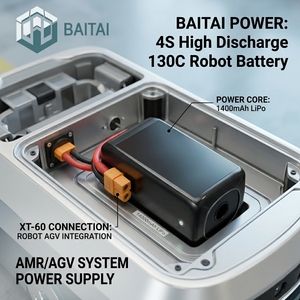
130C 1400mAh 4S High Discharge LiPo Battery for Service Robot AGV and Autonomous Mobile Robot Power System
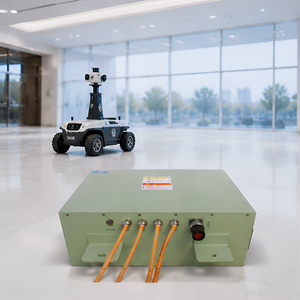
72V 60Ah LiFePO4 AMR Mobile Robot Battery Pack for Autonomous Robot System High Discharge Smart BMS Custom OEM ODM Wholesale
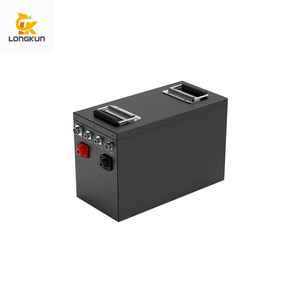
Longkun 24V 30Ah Lithium Ion Robot Battery Pack with BMS Rechargeable Li-ion Battery for AGV AMR Mobile Robots
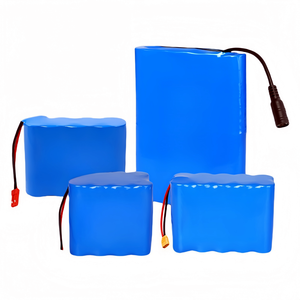
OEM Li-ion Battery Pack 3.7V 7.4V 11.1V 14.8V 18650 32650 26650 Lithium Ion Battery Pack for Autonomous Floor-Cleaning AMR Robot
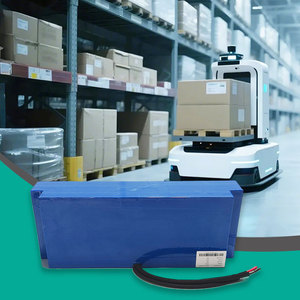
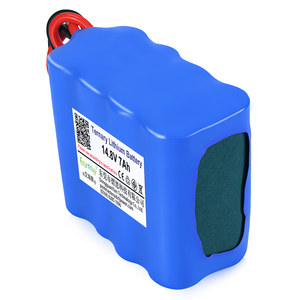
Custom Lithium Battery 14.8V 7Ah NMC 4S2P High Capacity for Autonomous Mobile Robot Electric Wheelchair Lawn Mower
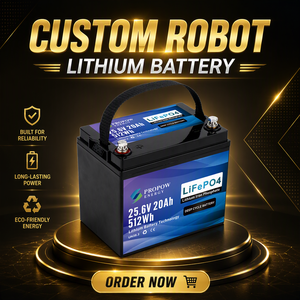
Custom Robot Lithium Battery 12V 24V 20Ah Lithium Battery for Robot, Rechargeable LiFePO4 Battery Pack for AGV AMR Mobile Robots
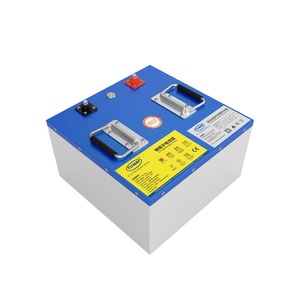
24V LiFePO4 Battery Pack 50Ah 60Ah 80Ah 100Ah with BMS 1500 Cycles -20C~60C for AGV AMR Robot Mobile Platform
Next-Generation Electric Mobility & Autonomous Battery Architecture for Singapore's High-Density Infrastructure
As Singapore accelerates its stance toward becoming a regional benchmark for smart nation technology and low-carbon urban logistics, the demand for enterprise-grade electric mobility battery modules and heavy-duty Autonomous Mobile Robot (AMR) energy storage systems has reached an unprecedented operational threshold. Operating within Singapore’s distinctive microclimate—characterized by year-round high ambient temperatures (average 31°C–33°C) and extreme relative humidity (>85%)—places rigorous demands on electrochemical stability, thermal management, and dynamic state-of-charge (SoC) estimation protocols.
This technical whitepaper examines the precise electromechanical engineering principles required to design, manufacture, and deploy customized lithium battery modules (LiFePO4, NMC, and Lithium Titanate LTO) optimized for original equipment manufacturers (OEMs), factory automation integrators, and electric mobility fleets operating across Singapore's industrial corridors such as Jurong Innovation District, Tuas Mega Port, and Changi Logistics Hub.
"To survive continuous 24/7 autonomous operations in tropical high-humidity environments, modern industrial battery modules must combine precision cell-level balancing, active BMS communications (CANbus 2.0B / Modbus RTU), structural flame-retardant enclosures (UL94-V0), and advanced thermal dissipation channels."
Electrochemical Matrix Comparison for Singapore Robotics & Mobility Fleets
| Battery Chemistry | Energy Density (Wh/kg) | Cycle Life (80% DoD) | Thermal Runaway Threshold | Opportunity Charging Efficiency | Primary Application Fit |
|---|---|---|---|---|---|
| Lithium Iron Phosphate (LiFePO4) | 140 – 170 Wh/kg | 3,500 – 6,000 Cycles | >270°C (Extremely Safe) | High (1C – 2C Continuous) | Heavy AGVs, Warehousing AMRs, Industrial Mobility |
| Nickel Manganese Cobalt (NMC 4S/7S/14S) | 200 – 250 Wh/kg | 1,200 – 2,000 Cycles | ~210°C (Requires Active Cooling) | Moderate (0.5C – 1C) | Compact Service Robots, Electric Wheelchairs, Lawn Mowers |
| Lithium Titanate Oxide (LTO) | 70 – 100 Wh/kg | 20,000+ Cycles | >300°C (Inherent Safety) | Ultra-Fast (6C – 10C In-line) | 24/7 Automated Port AGVs, Bus Shuttles, Fast-Charge AMRs |
| High-Discharge LiPo (130C Rating) | 160 – 190 Wh/kg | 500 – 800 Cycles | ~160°C (Strict Monitoring) | Burst Current Power Supply | Peak-Power Robotic Actuators, Drone Docking, Emergency Backup |
Localized Application Scenarios Across Singapore's Key Sector Ecosystems
Customized module architectures engineered to handle Singapore’s intensive commercial and industrial workloads.
1. Automated Port AGVs at Tuas Mega Port
Tuas Port demands continuous heavy-duty automated container handling equipment running 24 hours a day under saltwater air exposure and heat. Our 72V 60Ah and 48V LTO high-capacity battery packs provide automated opportunity charging capabilities, allowing AGVs to top off 80% SoC within 10 minutes, eliminating fleet downtime in maritime logistics.
2. High-Density Warehousing in Changi & Jurong
Multi-tier dark warehouses and automated fulfillment centers in Singapore rely on compact autonomous mobile robots (AMRs) for order picking. Our 24V 30Ah and 24V 50Ah LiFePO4 packs with Smart BMS offer zero maintenance, integrated CANbus telemetry for fleet software, and high power density within ultra-slim structural envelopes.
3. Commercial Autonomous Floor Cleaners
From Jewel Changi Airport to integrated resorts and MRT transit halls, autonomous cleaning robots require stable low-voltage power platforms. Our custom 14.8V NMC and 24V LiFePO4 modular assemblies deliver consistent voltage output, extended runtime, and sealed IP65/IP67 enclosures resistant to cleaning solutions and moisture.
4. Hospital & Healthcare Autonomous Delivery
Cleanroom-certified service robots operating in Singapore General Hospital (SGH) and Tan Tock Seng Hospital demand non-gassing, medical-grade power sources. Our Custom Smart Li-ion Battery Packs feature dual-layer software/hardware protective BMS, preventing EMI interference with sensitive medical equipment.
5. Micro-Mobility & Personal Mobility Devices (PMD)
Compliant with Singapore Land Transport Authority (LTA) regulations and UL2272 safety benchmarks, our modular battery systems for electric mobility devices incorporate cell-level fuse protection, active thermal monitoring, and anti-vibration shock absorbers suitable for tropical city transport.
6. Outdoor Autonomous Landscaping & Agriculture
Operating under direct tropical sunlight across Singapore's public parks and smart green facilities requires batteries capable of handling ambient temperatures up to 60°C inside sealed equipment chassis. Our 24V 100Ah wide-temperature LiFePO4 modules (-20°C to 60°C) ensure zero thermal shutdown.
Singapore Electrification & Industrial Automation Trends (2025–2030)
Singapore’s industrial landscape is undergoing a structural shift driven by national initiatives such as the Singapore Green Plan 2030, the Smart Nation 2025 Vision, and the rapid expansion of clean-energy industrial parks. Battery module manufacturers serving this market must align technical specifications with key regulatory and environmental transformations:
1. Transition to Zero-Emission Factory Automation
Under National Environment Agency (NEA) carbon efficiency guidelines, industrial facilities in Jurong and Woodlands are replacing internal combustion and lead-acid material handling equipment with high-efficiency LiFePO4 and LTO lithium modules. The shift yields a 40% reduction in lifetime energy costs and eliminates lead-acid acid fume emissions in enclosed cleanrooms.
2. Mandated Battery Safety Compliance (SS 667 & IEC Standards)
Singapore Civil Defence Force (SCDF) and Enterprise Singapore have instituted strict fire safety standards for energy storage systems (ESS) and electric industrial vehicles (Standard SS 667). Modern battery modules require cell-to-cell thermal barriers, active gas venting systems, and mandatory UN 38.3 & IEC 62133 certifications before deployment.
3. IoT Cloud Telemetry & Smart BMS Integration
Singaporean fleet managers heavily utilize cloud-based AMR management software. Our smart battery modules feature integrated CAN 2.0B, RS485, and SMBus communication protocols, providing real-time data on individual cell voltage, internal resistance, State-of-Health (SoH), and predictive maintenance alerts directly to centralized control towers.
4. Demand for Ultra-Fast "Opportunity Charging"
High industrial land costs in Singapore necessitate maximum spatial throughput. Autonomous fleets can no longer afford 6-hour charging downtime. The market has shifted toward high C-rate charging architectures (2C to 6C LTO and LiFePO4 systems) capable of restoring operational capacity during brief 5-minute dock cycles.
Engineering Excellence & Manufacturer OEM/ODM Advantages
Four decades of proven custom battery assembly, custom charger integration, and global supply reliability.
ISO 9001 Certified Quality Engineering
Every custom pack is engineered, assembled, and load-tested under strict ISO 9001 quality management protocols. We conduct 100% automated cycle testing, insulation impedance testing, and thermal imaging checks prior to shipment.
Custom BMS & Hardware Tailoring
We do not deliver off-the-shelf compromises. Our electronics team custom-designs Smart BMS boards to match your precise continuous/peak current profile, interface connectors (Anderson, Molex, Deutsch), and outer casing dimensions.
Direct Factory Logistics to Singapore
We maintain streamlined shipping lanes serving Singapore sea and air freight terminals (Port of Singapore / Changi Airfreight Centre). Full DG (Dangerous Goods) Class 9 packaging compliance and UN 38.3 certification documentation provided with every shipment.
Frequently Asked Questions (FAQ) for Singapore Buyers & System Integrators
Q1: How do your battery modules handle Singapore's humid tropical weather (85%+ humidity)?
All battery packs supplied to Singapore OEMs feature conformal coating on internal BMS circuitry, silicone structural potting on cell terminals, and IP65 to IP67 sealed aluminium alloy or steel enclosures. This prevents moisture ingress, oxidation of nickel strips, and condensation-induced short circuits during rapid transitions between air-conditioned facilities and outdoor environments.
Q2: What regulatory certifications accompany your battery shipments into Singapore?
Our custom battery modules are engineered to meet full global compliance including UN 38.3 (Transport Safety Test Report), IEC 62133-2 (Safety requirements for portable sealed secondary cells), UL 1642 / UL 2054, and CE standards. We provide complete testing documentation packs required for customs clearance through Singapore Customs and the Civil Aviation Authority of Singapore (CAAS) or Maritime and Port Authority (MPA).
Q3: Can we customize communication protocols to interface with our AMR robot fleet software?
Yes. Our Smart BMS supports standard industrial communication interfaces including CANbus 2.0B (CANopen / J1939), RS485 (Modbus RTU), RS232, and SMBus. We provide API documentation, registers maps, and communication stack integration assistance for your robotics engineering team.
Q4: What is the typical lead time for engineering prototypes and mass production for Singapore orders?
For custom OEM design projects, initial engineering drawings and BMS specifications are completed within 7 to 10 working days. Prototype sample assemblies typically ship within 3 to 4 weeks. Once design freeze approval is granted, mass production orders are fulfilled in 4 to 6 weeks, supported by express air cargo or regular sea freight into Singapore ports.
Q5: Do you supply matching smart chargers along with the custom battery modules?
Absoutely. We engineer single-source power solutions including custom-matched battery chargers (from 15W to 3000W+) with CC/CV charge profiles tailored to your specific pack chemistry (LiFePO4, NMC, LTO). Chargers can be supplied as internal onboard units or external desktop/wall-mount docking stations.
Ready to Engineer Your Custom Battery System for Singapore Applications?
Connect directly with our senior battery application engineers. Submit your voltage, capacity, discharge rate, and dimensional requirements for a comprehensive engineering evaluation and fast quote.