Battery Engineering Blog
Discover expert perspectives, custom battery design guides, charging solutions, and industry updates from USA engineers.
Custom Battery Packs & Energy Solutions for Kuala Lumpur
Engineered for robotics, AGVs, AMRs, and industrial backup systems. Custom tailored with smart BMS, robust thermal management, and sodium-ion / lithium-ion customization options.
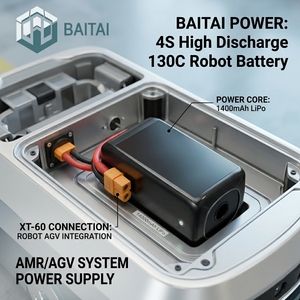
130C 1400mAh 4S High Discharge Battery Module
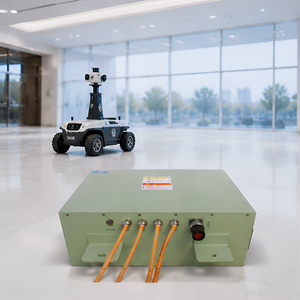
72V 60Ah Smart BMS High-Discharge Battery Pack
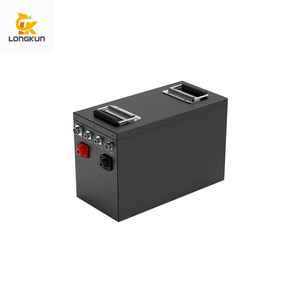
24V 30Ah Industrial Robot & AGV Battery Pack
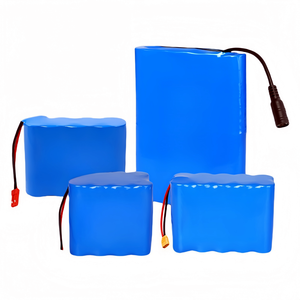
Custom OEM Multi-Voltage Floor Cleaning AMR Pack
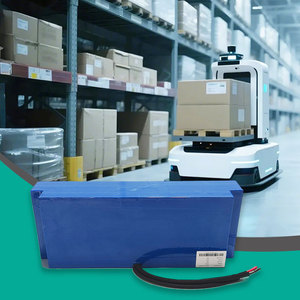
Custom Rapid-Charge Heavy Duty Battery Pack 9Ah
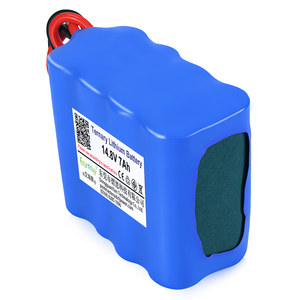
14.8V 7Ah High Capacity Custom Battery Module
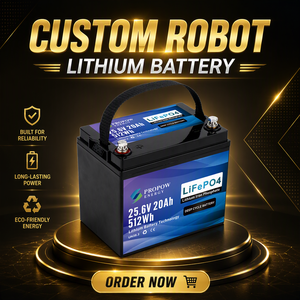
12V / 24V 20Ah Smart Modular Battery Pack
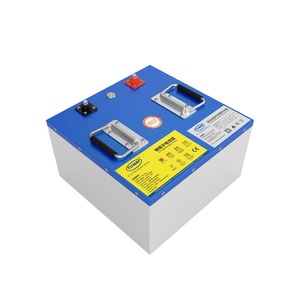
24V Heavy Duty Industrial Battery System (50Ah-100Ah)
1. Industrial Energy Transition in Kuala Lumpur: The Rise of Sodium-Ion Technology
The industrial landscape across the Greater Kuala Lumpur region and the broader Klang Valley—spanning major logistics hubs such as Shah Alam, Port Klang, Subang, and Cyberjaya—is undergoing a rapid technological shift. As corporate automated guided vehicles (AGVs), autonomous mobile robots (AMRs), commercial solar storage facilities, and micro-grid infrastructure expand, operating engineers face severe environmental and fiscal constraints. Chief among these challenges are elevated ambient operating temperatures (frequently exceeding 38°C in non-air-conditioned tropical warehouses), extreme relative humidity (>85%), and fluctuating lithium-ion cell procurement prices.
Sodium-ion (Na-ion) battery module architecture represents a monumental technology leap engineered to solve these exact local pain points. Utilizing widely abundant sodium-based cathode frameworks (such as Prussian Blue Analogues and Layered Transition Metal Oxides) coupled with hard carbon anodes, OEM sodium-ion battery modules deliver zero-risk thermal safety profiles, superior fast-charging rates, and operational endurance across high tropical temperatures without suffering from accelerated capacity degradation common to traditional Lithium Nickel Manganese Cobalt (NMC) or standard LiFePO4 configurations.
Strategic Takeaway for Malaysian Industrial OEMs & System Integrators
Sodium-ion battery modules eliminate expensive thermal management over-engineering. Unlike lithium chemistries which risk micro-dendrite formation and thermal runaway under ambient tropical heat, Na-ion chemistry maintains intrinsic structural stability up to +65°C and can be safely discharged to absolute 0 Volts during ocean transit into Port Klang without damaging cell infrastructure.
2. Technical Performance Matrix: Sodium-Ion vs. Alternative Chemistries
To evaluate the business justification for replacing legacy battery systems in Kuala Lumpur's automated industrial hubs, our electrochemical research division compiled an operational comparative analysis based on continuous heavy-duty cycling in tropical ambient conditions:
| Electrochemical Parameter | OEM Sodium-Ion (Na+) | LiFePO4 (LFP) | Lithium NMC | LTO (Lithium Titanate) |
|---|---|---|---|---|
| Cell Energy Density | 140 - 160 Wh/kg | 160 - 180 Wh/kg | 220 - 260 Wh/kg | 70 - 90 Wh/kg |
| Tropical Thermal Tolerance | -40°C to +65°C | -20°C to +55°C | -20°C to +45°C | -30°C to +65°C |
| Fast Charge Capability (0-80%) | 15 - 20 Mins (3C - 4C) | 45 - 60 Mins (1C) | 60 Mins (1C) | 10 Mins (6C+) |
| Zero-Volt Storage Safety | Yes (0V Safe Transport) | No (Copper Dissolution) | No (Severe Safety Hazard) | Yes |
| Cycle Life (80% DOD @ 35°C) | 4,000 - 6,000+ Cycles | 3,000 - 4,500 Cycles | 1,500 - 2,000 Cycles | 15,000+ Cycles |
| Raw Material Abundance Risk | Very Low (Sodium/Salt) | Moderate (Lithium/Iron) | High (Lithium/Cobalt/Ni) | High (Titanium/Lithium) |
| Raw OEM Module Cost ($/kWh) | 30% - 40% Lower vs LFP | Baseline Standard | +45% Premium | +200% High Premium |
From an enterprise procurement perspective, sodium-ion offers an unprecedented middle ground: it provides cycle lifetimes approaching LiFePO4 at a fraction of the raw cell cost, while offering fast-charging and extreme heat resilience that vastly outperforms standard lithium chemistry.
3. Localized Application Scenarios in the Kuala Lumpur Market
Our OEM manufacturing facility specializes in customizing modular battery packs engineered precisely for the mechanical dimensions, voltage thresholds, and environmental realities of Malaysian enterprise clients.
Port Klang & Shah Alam AGV Fleets
Heavy duty automated guided vehicles transferring cargo containers and palletized goods in Port Klang logistics terminals operate 24/7. Custom 48V and 72V sodium-ion modules allow opportunity fast-charging during 15-minute shift changes without causing thermal buildup.
Subang High-Tech Manufacturing AMRs
Autonomous mobile robots operating in electronics cleanrooms require ultracompact footprints. Our 24V 30Ah sodium modules offer space-saving customization with customizable CANbus BMS communication protocols integrated with local robotic control software.
KL Commercial Rooftop Solar Storage
In accordance with Malaysia's National Energy Transition Roadmap (NETR), commercial buildings in downtown Kuala Lumpur (KLCC, Bangsar, Mont Kiara) are adopting energy storage systems (ESS) to shave peak demand charges. Na-ion racks provide zero fire risk for indoor installations.
4. Regional Market Trends & Malaysia NETR Alignment
Under the Malaysian Government’s National Energy Transition Roadmap (NETR) and the New Industrial Master Plan (NIMP 2030), industrial facilities in Selangor and Federal Territories face increasing compliance pressure to transition toward sustainable, zero-emission operational infrastructure. Traditional lead-acid batteries, historically used in forklifts and industrial backup systems, are being systematically phased out due to heavy metal contamination risks and strict Department of Environment (DOE) disposal regulations.
Concurrently, local enterprise buyers are seeking options to insulate themselves from global lithium price volatility and supply chain bottlenecks. Sodium-ion battery modules leverage non-critical raw materials, guaranteeing stable long-term pricing for high-volume OEM contracts. Furthermore, because sodium-ion batteries can be shipped at 0V (zero state of charge), they are exempted from the dangerous goods transport surcharge restrictions that frequently complicate air and sea cargo shipments into Kuala Lumpur International Airport (KLIA) and Port Klang.
5. Advanced OEM/ODM Engineering Capabilities for Global Exporters
As an international enterprise battery manufacturer with over four decades of custom design experience, our engineering framework covers every tier of battery module integration:
Custom Mechanical Enclosures
NEMA 4X, IP65, and IP67 powder-coated steel or die-cast aluminum housing engineered for extreme humidity protection.
Smart BMS Engineering
Custom firmware with CANbus 2.0B, RS485, Modbus, and SMBus telemetry protocols for real-time monitoring of Cell SOC and SOH.
Custom Thermal Routing
Passive phase-change material heat sinking combined with active heat-dissipation geometry for tropical ambient management.
Our turnkey OEM process guides clients from initial cell-matching calculations and 3D CAD modeling to prototype rapid tooling, UN38.3 certification compliance, and final mass production delivery direct to Kuala Lumpur enterprise sites.
6. Frequently Asked Questions by Kuala Lumpur Procurement Officers
A: High relative humidity (>80%) found in the Klang Valley can cause terminal oxidation or corrosion in standard battery builds. Our OEM modules feature hermetically sealed IP67 casings with hydrophobic pressure equalization valves and anti-corrosive conformal coating on all internal BMS PCBA surfaces to ensure zero moisture intrusion.
A: Yes. We customize our sodium-ion module dimensions, mounting brackets, and connector terminals to match standard lead-acid battery tray form factors. Additionally, our smart BMS emulates lead-acid voltage cutoff behavior if needed, allowing direct integration without reprogramming legacy charger units.
A: Following CAD draw approval and electrical specification sign-off, custom prototypes are built within 2 to 3 weeks. Express air freight to KLIA typically takes 3 to 5 business days, while sea freight via Port Klang takes approximately 10 to 14 days for bulk orders.
A: All our exported battery modules are certified under UN38.3 (Safe Transport), CE, IEC 62133, and RoHS standards. We fully assist local importers in securing SIRIM QAS certification and Energy Commission (ST) clearance where required for commercial installations in Malaysia.
A: Lithium batteries must be shipped at 30% state of charge under strict Class 9 hazardous materials guidelines, resulting in elevated freight tariffs. Sodium-ion cells can be completely discharged to zero volts without causing anode degradation, enabling lower-cost standard cargo class transport through international logistics lines into Malaysia.
Partner with a Global Custom Sodium-Ion Battery Exporter
Looking for a reliable OEM/ODM factory to engineer high-temperature resistant, cost-optimized sodium-ion or lithium battery modules for the Kuala Lumpur market? Contact our engineering team today for technical consultation and instant pricing quotes.