Battery Engineering Blog
Discover expert perspectives, custom battery design guides, charging solutions, and industry updates from USA engineers.
High-Performance Industrial Fast Battery & Charging Matrix
Engineered for Autonomous Mobile Robots (AMRs), Automated Guided Vehicles (AGVs), Electric Wheelchairs, and High-Discharge Industrial Platforms. OEM/ODM Direct Wholesale Solutions.
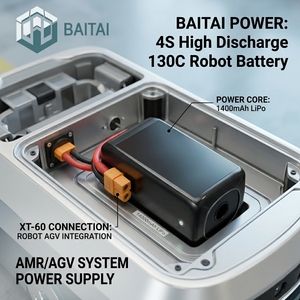
130C 1400mAh 4S High Discharge LiPo Battery Pack
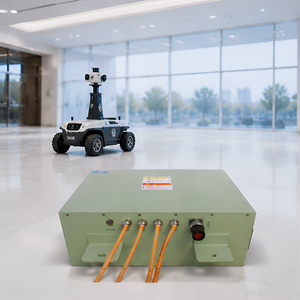
72V 60Ah LiFePO4 AMR Mobile Robot Smart Battery
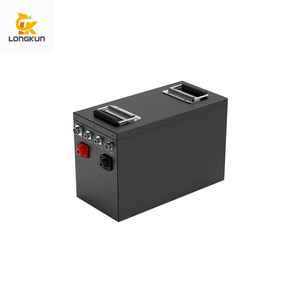
24V 30Ah Lithium Ion AGV/AMR Rechargeable Battery
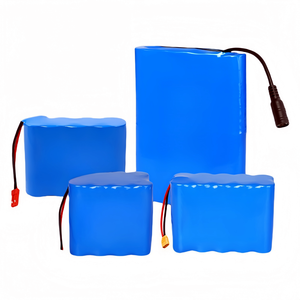
Modular OEM Li-Ion Battery Pack for Autonomous Cleaners
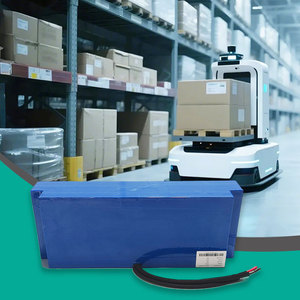
Customized 9Ah LTO (Lithium Titanate) AGV Battery
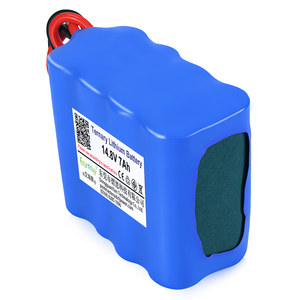
14.8V 7Ah NMC 4S2P Battery for AMR & Electric Utility
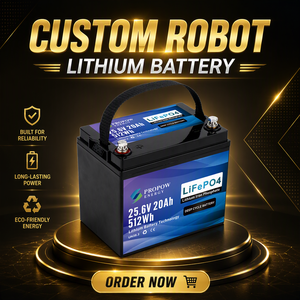
12V / 24V 20Ah Rechargeable LiFePO4 Robot Battery Pack
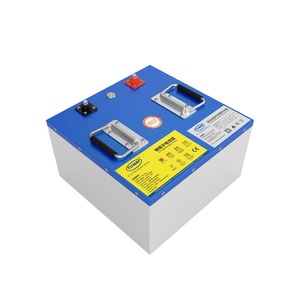
24V 50Ah - 100Ah Heavy Industrial LiFePO4 Pack
Technical Whitepaper: Fast Charging Architecture & Thermal Governance in Industrial Autonomous Fleets
As logistics hubs across New York, New Jersey, and global industrial corridors transition toward 24/7 autonomous operations, traditional battery charging protocols present a major operational bottleneck. This whitepaper analyzes the electro-thermal dynamics of high-current industrial battery charging, evaluating direct wholesale manufacturing from China alongside local New York compliance standards.
High C-Rate Fast-Charging Electrochemistry
Modern Autonomous Mobile Robots (AMRs) and automated forklifts require rapid power restoration without inducing lithium plating. Utilizing optimized Lithium Iron Phosphate (LiFePO4) and Lithium Titanate (LTO) cell chemistry, our fast-charging industrial chargers deliver up to 6C continuous current, allowing automated opportunity charging during brief 10 to 15-minute robot idle periods.
CANbus & RS485 Closed-Loop BMS Protocol
Safety during rapid industrial battery charging is guaranteed via real-time telemetry communication between the charger and the onboard Battery Management System (BMS). Dynamic voltage-current negotiation adjusts output dynamically based on cell temperature, state of charge (SoC), and internal resistance variations, preventing thermal runaway risk.
Thermal Management & Heat Dissipation
Industrial fast charging generates substantial thermal stress at connector interfaces and internal cell junctions. Our wholesale charger designs implement active liquid cooling or dual-ball-bearing variable-speed fan heat sinks coupled with silicon carbide (SiC) power MOSFETs to maintain junction temperatures under 55°C even in non-climate-controlled New York logistics centers.
Information Gain Insight: The 2025 Shift to Silicon Carbide (SiC) Fast Chargers
Legacy industrial battery chargers relying on legacy silicon IGBT topology exhibit power efficiency caps around 88-91%, resulting in massive waste heat generation. Next-generation chargers engineered in our Tier-1 China R&D facility integrate Silicon Carbide (SiC) switching devices, driving electrical conversion efficiency beyond 96.5% and reducing charger footprint by 40%.
Industrial Fast Battery Charging Chemistry Comparison Matrix
| Battery Chemistry | Nominal Cell Voltage | Recommended Fast Charge Rate | 80% Charge Time | Cycle Life (80% DoD) | Primary Industrial Application |
|---|---|---|---|---|---|
| Lithium Iron Phosphate (LiFePO4) | 3.2V / Cell | 1.0C - 2.0C | 25 - 35 Mins | 3,500 - 5,000 Cycles | Heavy Freight AGVs, Forklifts, Logistics AMRs |
| Lithium Titanate (LTO) | 2.3V / Cell | 4.0C - 10.0C | 6 - 12 Mins | > 20,000 Cycles | 24/7 Automated Production Lines, Ultra-Fast Docks |
| NMC (Nickel Manganese Cobalt) | 3.7V / Cell | 0.8C - 1.5C | 40 - 50 Mins | 1,500 - 2,500 Cycles | Compact Service Robots, Floor Cleaners, Portable OEM |
| High-Discharge LiPo | 3.7V / Cell | 2.0C - 5.0C | 15 - 20 Mins | 500 - 1,000 Cycles | Robotic Arms, Drone Delivery, Peak Pulse Systems |
Localized Application Scenarios: Powering New York’s Industrial & Logistics Infrastructure
From the Port of New York & New Jersey to automated distribution centers across Long Island, Queens, Brooklyn, and Upstate New York, industrial battery fast charging systems must perform under rigorous operating conditions.
Port of NY/NJ Maritime Freight & Container AGVs
The Port of New York and New Jersey represents one of the busiest maritime trade gateways in North America. Heavy-duty automated container transfer vehicles demand 72V to 600V ultra-fast charging systems built into automated charging pads. Our fast chargers provide IP67 weather-proofed, salt-corrosion resistant enclosures with heavy filtering against utility voltage spikes typical of maritime docklands.
NYC Urban Last-Mile Fulfillment & Multi-Story Warehouses
Space constraints in Brooklyn, Queens, and the Bronx have driven the development of multi-story vertical automated warehouses. AMRs operating in narrow-aisle environments cannot afford long downtime for battery charging. Compact, wall-mounted fast chargers (24V/48V 50A) installed at robot queuing corridors enable continuous automated "opportunity charging" without occupying valuable floor space.
Hospitality & Commercial Cleaning AMRs in Manhattan Facilities
Major healthcare facilities, airports (JFK and LaGuardia), and commercial skyscrapers across New York City utilize autonomous floor scrubbers and sanitization robots. Our customized 14.8V and 24V NMC/LiFePO4 battery modules combined with silent, fanless medical-grade fast chargers allow safe overnight and operational cleaning cycles under stringent noise and fire codes.
Cold Storage & Food Logistics Hubs in Upstate NY
Cold storage fulfillment facilities in Rochester, Syracuse, and Albany operate in sub-zero ambient environments (-20°C to -30°C). Conventional battery chargers fail to properly charge lithium cells under cold temperatures. Our low-temperature battery packs feature integrated BMS self-heating elements that prep cells prior to fast charging, ensuring full capacity recovery without cell damage.
Localized Development Trends & New York Industrial Regulatory Standards
Navigating the intersection of cost-effective Chinese battery manufacturing with stringent US and New York state compliance guidelines.
NYC FDNY Fire Code (FC 608) & Battery Safety
The New York City Fire Department (FDNY) strictly regulates indoor lithium battery energy storage and charging installations under Fire Code Section 608. Industrial fast chargers installed within NYC city limits must feature certified thermal runaway containment, emergency shutoff signaling, and UL 1564 / UL 2580 listing compliance to obtain operational permits.
NYSERDA Energy Efficiency & Peak Shaving
The New York State Energy Research and Development Authority (NYSERDA) offers financial incentives for industrial facilities reducing peak demand on Consolidated Edison (ConEd) electrical grids. Our smart fast chargers feature programmable peak-shaving algorithms that throttles fast charging during peak tariff hours, lowering facility electricity bills by up to 28%.
Direct-from-Manufacturer China Wholesale Advantage
By coupling tier-1 Chinese lithium cell supply chains and raw component sourcing with direct OEM engineering, enterprise buyers in New York eliminate middleman markups. Fast charger units and customized battery packs are produced with premium components at 35-50% lower capital cost while meeting full US market specifications.
Enterprise Advantage: 40+ Years of Combined Battery Engineering & Global Manufacturing
Combining state-of-the-art Chinese high-capacity automated production facilities with dedicated US-focused technical oversight, customized BMS engineering, and ISO 9001:2015 quality controls.
Custom BMS Design
In-house hardware & firmware programming for CAN, SMBus, Modbus, and Bluetooth telemetry.
100% Quality Burn-in
Every battery pack and fast charger undergoes full load thermal cycling and 100% high-voltage isolation safety testing.
UN38.3 & MSDS Logistics
Complete hazardous material export certification ensuring fast air and ocean transport into JFK, Newark, and NY/NJ ports.
Dedicated NY Engineering
Local technical consultation, warranty replacement support, and on-site integration assistance for East Coast clients.
Frequently Asked Questions: Industrial Battery & Charger Procurement
Expert answers to common engineering, regulatory, shipping, and technical queries from New York and international buyers.
What is the difference between buying industrial chargers from China wholesale vs. local US distributors?
Direct wholesale purchasing from accredited Chinese manufacturers provides direct access to primary lithium cell supply chains and custom power electronics engineering at 30% to 50% lower unit costs. Working with a vendor that provides New York localized technical compliance guarantees that all chargers meet US safety standards (UL 1564, UL 2580, FCC Class A) while providing full custom OEM flexibility.
How do fast battery chargers prevent lithium plating during high C-rate charging?
Our fast industrial chargers communicate directly with the onboard BMS using CANbus protocols. During high C-rate charging (e.g., 2C to 5C), the charger constantly monitors cell delta-voltage and temperature. If voltage polarization exceeds safe thresholds, current is dynamically pulsed or stepped down (Multi-Stage Constant Current charging), preventing metallic lithium plating on the graphite anode and maintaining battery cycle life.
Are these industrial fast battery chargers compliant with NYC FDNY FC 608 indoor regulations?
Yes. Chargers and battery packs intended for installation within New York City commercial or industrial buildings can be configured with fire-suppression dry-contact signals, thermal isolation sensors, and auto-disconnect relays required under FDNY FC 608 and National Electrical Code (NEC) Article 705.
What communication protocols are supported between the charger and autonomous vehicles?
We support standard industrial automation communication interfaces including CANopen, SAE J1939, RS485 (Modbus RTU), and Ethernet/IP. This allows seamless telemetry integration into automated warehouse fleet management software (WMS) used in modern logistics environments.
Can your lithium battery packs and chargers operate in sub-zero cold storage facilities in New York?
Absolutely. For cold storage logistics operations (down to -30°C), we supply customized LiFePO4 and LTO battery packs equipped with internal silicone heating pads controlled by the BMS. When placed on the fast charger, thermal energy is first directed to warm the cells to safe charging temperature (+5°C) before initiating high-current fast charging.
What certification documentation is provided for international ocean and air freight to New York?
All battery shipments include complete UN38.3 test reports, Material Safety Data Sheets (MSDS), Dangerous Goods (DG) declaration certificates, and 1.2-meter drop test compliance documents. We handle DDP (Delivered Duty Paid) shipping directly to your facility in New York, New Jersey, or anywhere across North America.
What is the typical lead time for custom OEM fast chargers and battery pack orders?
Standard prototype samples are produced in 2 to 3 weeks following drawing approval. Full batch wholesale production typically requires 4 to 6 weeks. Express air freight to JFK airport takes 5 to 7 days, while ocean freight to the Port of NY/NJ takes approximately 25 to 30 days.
Why is LiFePO4 or LTO preferred over conventional Lead-Acid or standard Li-ion for AGVs?
Lead-acid batteries require 8 to 10 hours of slow charging and frequent maintenance. Standard Li-ion (NMC) offers high energy density but lower cycle life under continuous fast charging. LiFePO4 and LTO chemistries offer superior thermal stability, fast-charging tolerance (up to 80% charge in 15 minutes), zero off-gassing maintenance, and up to 10-20 times longer operational cycle life.