Battery Engineering Blog
Discover expert perspectives, custom battery design guides, charging solutions, and industry updates from USA engineers.
Recommended Medical & Autonomous Mobile Device Battery Packs
Explore our high-reliability lithium battery modules tailored for wearable diagnostic patches, medical autonomous mobile robots (AMRs), portable infusion pumps, and clinical monitoring devices supplied directly to Turkish medical OEMs.
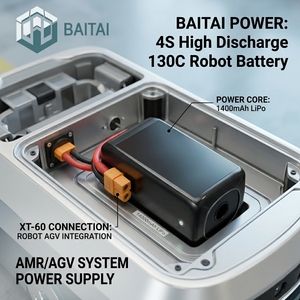
130C 1400mAh 4S High Discharge LiPo Battery for Service Robot AGV & Medical Mobile Power
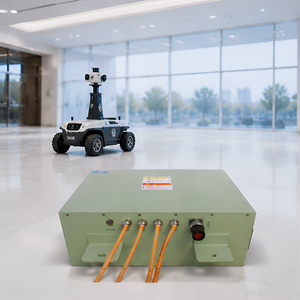
72V 60Ah LiFePO4 Mobile Medical Cart & AMR Battery Pack with Smart CAN/SMBus BMS
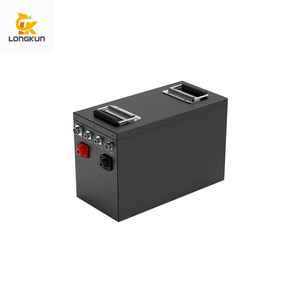
Longkun 24V 30Ah Lithium Ion Medical Robot & Wearable System Power Pack
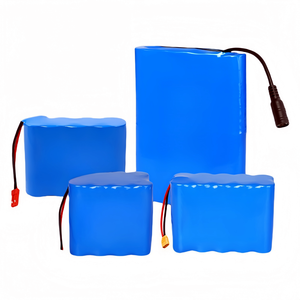
OEM Li-ion Modular Battery Pack 3.7V-14.8V 18650/26650 for Wearable Health Monitors
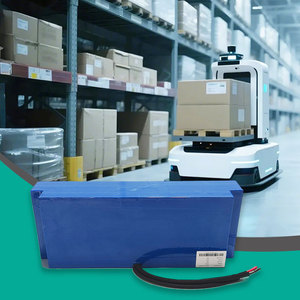
Customized Rechargeable LTO Battery Pack 9Ah Rapid-Charge for Wearable & Medical Equipment
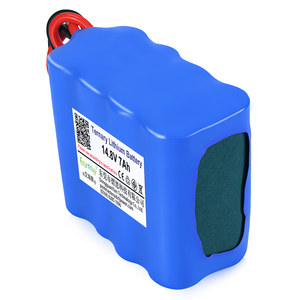
Custom Lithium Battery 14.8V 7Ah NMC High Density Pack for Portable Diagnostic & Exoskeletons
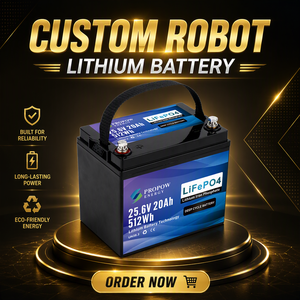
Custom Medical Lithium Battery 12V/24V 20Ah LiFePO4 Pack for Ambulatory Wearables
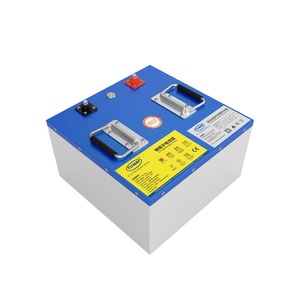
24V LiFePO4 Industrial & Medical Battery Pack 50Ah-100Ah with Advanced BMS (-20°C~60°C)
The Strategic Role of Chinese Battery Manufacturers in Turkey's Expanding MedTech Ecosystem
Turkey’s medical device sector has undergone a dynamic transformation driven by the Turkish Ministry of Health’s (TİTCK) digital health initiatives, the rapid expansion of city hospitals (Şehir Hastaneleri) in Istanbul, Ankara, and Izmir, and Turkey’s standing as a global health tourism epicenter. Concurrently, the demand for wearable medical devices—ranging from continuous glucose monitors (CGM) and ambulatory cardiac telemetry patches to wearable defibrillators and smart mobility exoskeletons—has surged exponentially.
For Turkish medical original equipment manufacturers (OEMs) and medical device importers, sourcing high-performance battery packs from Tier-1 Chinese battery manufacturers and exporters offers a decisive competitive advantage. Chinese engineering hubs bring unprecedented economies of scale, advanced electrochemical R&D, and strict adherence to global medical standards including ISO 13485, IEC 62133-2, UN 38.3, and EU MDR (Regulation EU 2017/745), with which Turkey aligns through its Customs Union framework.
This technical whitepaper delivers deep insights into battery chemistry selection, custom Smart BMS integration, localized regulatory compliance for Turkey, and practical application scenarios to assist Turkish procurement directors and medical R&D engineers in specifying optimal energy solutions.
Wearable & Portable Medical Battery Application Scenarios in Turkey
Turkish healthcare institutions are increasingly adopting remote patient monitoring (RPM) and autonomous hospital robotics to optimize operational efficiency and patient care quality. Custom battery design plays a pivotal role in powering these sophisticated medical systems.
Wearable Ambulatory Monitors & Diagnostic Patches
Deployable in outpatient clinics across Istanbul and private health networks (e.g., Acıbadem, Memorial), ultra-lightweight Lithium Polymer (LiPo) and micro NMC battery packs provide continuous power for 24/7 Holter ECG patches, smart pulse oximeters, and body temperature telemetry sensors. High energy density ensures skin-friendly, ultra-thin profiles with thermal safeguards preventing cutaneous discomfort.
Ambulatory Infusion Pumps & Wearable Drug Delivery
For patients requiring continuous insulin therapy or targeted chemotherapy at home in Turkey, our battery packs incorporate precision SMBus / I2C telemetry fuel gauges. These communicate precise state-of-charge (SOC) metrics to the host device, delivering fail-safe alarm capabilities and preventing power interruption during critical drug delivery cycles.
Smart Exoskeletons & Wearable Physical Rehabilitation
Turkey’s top physical therapy institutes leverage powered lower-limb and upper-limb exoskeletons. These require high C-rate impulse discharge batteries (such as 130C LiPo or high-rate LiFePO4 cells) to handle sudden actuator motor loads while maintaining structural rigidity, compact pouch dimensions, and robust vibration resistance.
Hospital Autonomous Mobile Robots (AMR/AGV) & Disinfection Carts
Modern Turkish smart hospitals utilize autonomous mobile robots (AMRs) for medicine transportation, linen delivery, and UV-C room sterilization. Our 24V, 48V, and 72V LiFePO4 and LTO heavy-duty battery packs deliver fast-charging capability (opportunity charging), over 3,000 deep cycles, and seamless integration with fleet management systems.
Battery Chemistry Selection Matrix for Wearable & Portable Medical Electronics
Selecting the optimal electrochemical cell configuration requires balancing energy density, safety margin, discharge profile, thermal limits, and cycle life. The technical matrix below illustrates key performance benchmarks engineered by top Chinese battery manufacturers for Turkish medical device applications:
| Battery Chemistry | Nominal Cell Voltage | Energy Density (Wh/kg) | Cycle Life (80% DOD) | Thermal Safety Profile | Primary Wearable & Medical Application |
|---|---|---|---|---|---|
| Lithium Polymer (LiPo) | 3.7V - 3.85V | 200 - 265 Wh/kg | 500 - 1,000 Cycles | Good (Requires strict PCM/BMS limits) | Ultra-thin biosensor patches, cardiac telemetry, wearable diagnostic devices. |
| NMC (Nickel Manganese Cobalt) | 3.6V - 3.7V | 220 - 300 Wh/kg | 800 - 1,500 Cycles | Very Good (Thermal shutdown separators) | Wearable exoskeletons, powered surgical tools, portable ultrasound devices. |
| LiFePO4 (Lithium Iron Phosphate) | 3.2V | 130 - 170 Wh/kg | 2,500 - 5,000+ Cycles | Excellent (Thermally non-combustible) | Mobile hospital carts, autonomous disinfectant AMRs, medical workstations. |
| LTO (Lithium Titanate Oxide) | 2.3V - 2.4V | 70 - 110 Wh/kg | 15,000 - 25,000 Cycles | Maximum (Zero thermal runaway risk) | Continuous fast-charge medical robots, sub-zero emergency transport systems. |
Architecture of Medical-Grade Smart BMS (Battery Management System)
Wearable medical power systems must eliminate single-point failures. As leading Chinese exporters supplying Turkey, our custom battery packs incorporate multi-tiered hardware and firmware protection layers:
- Dual Active Circuit Protection: Secondary hardware over-voltage and over-current ICs independent of primary software controls, meeting IEC 60601-1 medical electrical equipment standards.
- High-Precision Fuel Gauging: TI Texas Instruments System-Side Impedance Track™ gauge ICs providing accurate State-of-Charge (SOC) and State-of-Health (SOH) telemetry via SMBus, I2C, or CAN-bus protocols.
- Skin-Safe Thermal Regulation: Embedded NTC thermistors continuously monitor skin-contact temperature, dynamically throttling discharge current to maintain surface temperatures under 41°C compliant with medical skin contact regulations.
Turkish Medical Device Market Trends & Regulatory Compliance
Navigating export compliance for medical batteries entering the Turkish market demands strict alignment with both domestic and international directives. Understanding these regulatory drivers is essential for Turkish OEMs and Chinese manufacturing partners alike.
TİTCK & EU MDR Alignment
Turkey’s Medicines and Medical Devices Agency (TİTCK) closely aligns with European Union Medical Device Regulations (EU MDR 2017/745). Battery packs integrated into medical devices exported to or sold within Turkey must possess full material traceability, CE marking support, and comprehensive risk management documentation compliant with ISO 14971.
IEC 62133-2 & UN 38.3 Mandatory Testing
All rechargeable lithium batteries exported from China to Turkish ports (e.g., Ambarlı Istanbul, İzmir Alsancak, Mersin) must hold valid IEC 62133-2 safety certification for portable sealed secondary cells, alongside UN 38.3 transport safety documentation to clear Turkish customs efficiently without supply chain delay.
Rise of Tele-Health & Home Care in Turkey
With an aging domestic population and expanding remote healthcare initiatives, Turkish OEMs are prioritizing wearable devices with extended battery longevity, fast recharge capability via USB-C PD (Power Delivery), and wireless charging options to maximize patient compliance and comfort.
Why Partnering with Top Chinese Battery Manufacturers Accelerates Turkish OEM Growth
China stands at the global forefront of lithium battery engineering, housing vertically integrated supply chains from raw cathode/anode processing to automated cell assembly and intelligent BMS firmware coding. By partnering with experienced Chinese export manufacturers, Turkish medical device companies gain significant strategic advantages:
1. Full OEM/ODM Customization
Custom plastic enclosure molding (IP67/IP68 waterproof rated), ultra-thin pouch cell stacking, custom wire harness assembly, and tailored BMS protocols designed around your device chassis constraints.
2. Rigorous Quality Control & Aging Tests
100% automated optical inspection (AOI), cell capacity matching within ±1%, high-voltage insulation checks, thermal shock testing, and 72-hour burn-in aging for every production batch.
3. Streamlined Logistics to Turkey
Established DDP (Delivered Duty Paid) and FOB sea/air logistics routes directly into Turkish commercial centers, complete with Class 9 Dangerous Goods (DG) shipping certification.
Turkey Procurement FAQ: Sourcing Wearable Medical Batteries from China
Key technical, regulatory, and commercial inquiries answered by senior battery engineers for Turkish procurement managers and medical electronics designers.
Which certifications are mandatory for exporting wearable medical device battery packs from China to Turkey?
Battery packs intended for wearable medical devices in Turkey must hold IEC 62133-2 (safety requirements for portable sealed secondary cells), UN 38.3 (transport safety testing), RoHS compliance, and CE certification. If integrated into a medical device regulated under TİTCK, ISO 13485 manufacturing quality management documentation from the Chinese factory is strongly required by Turkish auditors.
How do Chinese battery manufacturers ensure thermal safety for skin-contact wearable devices?
We implement multi-layered safeguards: premium Grade-A cells with high thermal tolerance, flame-retardant V0-rated poly-materials for outer enclosures, redundant NTC thermal sensors connected to the BMS, and current throttling firmware that prevents the battery skin temperature from exceeding 41°C under any operational condition.
Can you customize battery form factors to fit ultra-compact or curved wearable devices?
Yes. Utilizing advanced Lithium Polymer pouch cell manufacturing, we produce custom shapes including ultra-thin rectangular cells down to 0.8mm thickness, curved batteries for wristbands, and irregular multi-step pouch configurations to maximize internal space utilization in custom Turkish medical devices.
What communication protocols are available on your Smart BMS for medical equipment telemetry?
Our intelligent BMS modules support SMBus v1.1, I2C, HDQ, UART, and CAN-bus 2.0B protocols. This enables seamless real-time data transmission of voltage, individual cell balance, remaining capacity percentage (SOC), cycle count, and temperature logs directly to your device host microcontroller or mobile App.
What is the typical lead time for custom prototype samples and mass production orders to Turkey?
Engineering design and 3D prototyping typically require 2-3 weeks. Custom cell tooling and sample battery pack validation take approximately 3-4 weeks. Once approved, mass production orders are fulfilled within 4-5 weeks, with express air freight or standard ocean logistics to Istanbul/Mersin ports.
How do you support Turkish OEMs with low initial order quantities (MOQ)?
We accommodate emerging Turkish MedTech startups and specialized medical device manufacturers by offering flexible initial sample runs and lower MOQ options for modular standard cell configurations before scaling up to mass production.
Request a Custom Medical Battery Design Consultation
Partner with China’s premier medical device battery engineering experts. Submit your technical specifications, required dimensions, voltage, capacity, and target regulatory standards for a comprehensive project assessment and quote within 24 hours.