Battery Engineering Blog
Discover expert perspectives, custom battery design guides, charging solutions, and industry updates from USA engineers.
High-Discharge & Low-Temperature Custom Lithium Battery Packs
Engineered for extreme environmental resilience, low internal resistance, and integrated Smart BMS protection. Sourced direct from verified industrial battery manufacturing facilities.
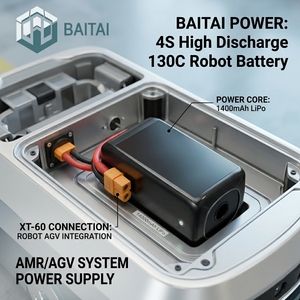
130C 1400mAh 4S High Discharge LiPo Battery for Service Robot AGV and Autonomous Mobile Robot Power System
- Nominal Voltage: 14.8V (4S)
- Peak Discharge: 130C Continuous
- Sub-Zero Operating Range: -20°C to 60°C
- Application: AGV / AMR Heavy Acceleration
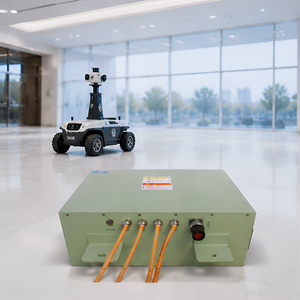
72V 60Ah LiFePO4 AMR Mobile Robot Battery Pack for Autonomous Robot System High Discharge Smart BMS Custom OEM ODM Wholesale
- Voltage & Capacity: 72V 60Ah (4.32kWh)
- Chemistry: Grade-A LiFePO4 Cells
- BMS Communication: CANbus / RS485 / SMBus
- Cycle Life: > 3,500 Cycles @ 80% DOD
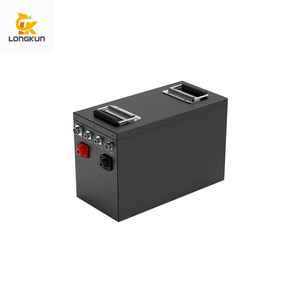
Longkun 24V 30Ah Lithium Ion Robot Battery Pack with BMS Rechargeable Li-ion Battery for AGV AMR Mobile Robots
- Voltage & Capacity: 25.9V 30Ah
- Operating Temp: -20°C to 55°C
- Protection: Over-charge, Temp Cutoff
- Enclosure: IP65 Metallic Case
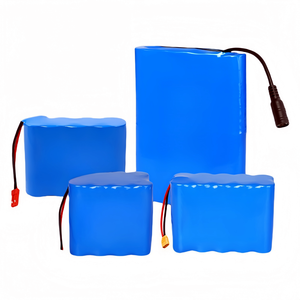
OEM Li-ion Battery Pack 3.7V 7.4V 11.1V 14.8V 18650 32650 26650 Lithium Ion Battery Pack for Autonomous Floor-Cleaning AMR Robot
- Cell Types: 18650 / 26650 / 32650
- Voltage Modularities: 3.7V up to 48V Custom
- Low-Temp Performance: 85% Capacity @ -10°C
- OEM Capability: Custom Shrink/Plastic Casing
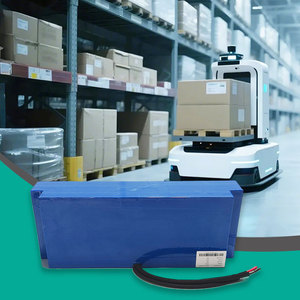
Customized Rechargeable LTO Agv Battery Pack 9Ah Autonomous Mobile Robot Agv Battery
- Chemistry: Lithium Titanate Oxide (LTO)
- Cold Temp Rating: -40°C Extreme Operations
- Fast Charge: 10C Ultra-Fast Opportunity Charge
- Cycle Life: > 20,000 Cycles
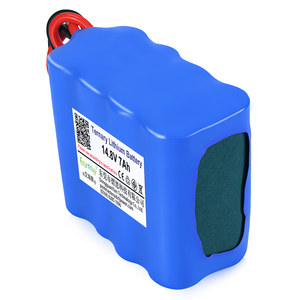
Custom Lithium Battery 14.8V 7Ah NMC 4S2P High Capacity for Autonomous Mobile Robot Electric Wheelchair Lawn Mower
- Configuration: NMC 4S2P Pack
- Energy Density: 230 Wh/kg High Energy
- Safety Features: PTC Thermal Fuse & Smart BMS
- Application: Outdoor Robots & Mobility
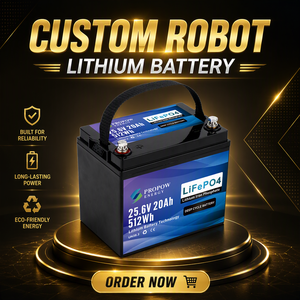
Custom Robot Lithium Battery 12V 24V 20Ah Lithium Battery for Robot, Rechargeable LiFePO4 Battery Pack for AGV AMR Mobile Robots
- Voltage Options: 12.8V / 25.6V Nominal
- Capacity: 20Ah High Discharge
- Thermal Threshold: -20°C to +65°C Operating
- Certification: UN 38.3, IEC 62133 Approved
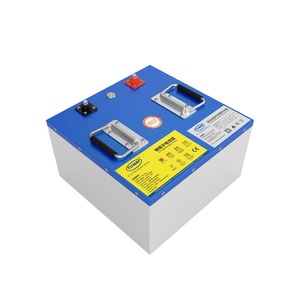
24V LiFePO4 Battery Pack 50Ah 60Ah 80Ah 100Ah with BMS 1500 Cycles -20C~60C for AGV AMR Robot Mobile Platform
- Scalable Capacities: 50Ah / 60Ah / 80Ah / 100Ah
- Extreme Temp: -20°C Discharge Guarantee
- Integrated BMS: Auto-Balancing & Heating Module
- Cycle Life: > 1,500 Full Cycles @ Cold Ambient
Executive Summary: Solving Sub-Zero Electrochemical Barriers in Lithium Batteries
Operating energy storage systems in freezing environments presents significant electrochemical challenges. Standard commercial Lithium Nickel Manganese Cobalt Oxide (NMC) and Lithium Iron Phosphate (LiFePO4) chemistries suffer exponential performance degradation when ambient temperatures drop below 0°C. At sub-zero thresholds (-20°C to -40°C), traditional liquid electrolytes undergo drastic viscosity increases, severely impeding ionic conductivity. Simultaneously, solid electrolyte interphase (SEI) resistance skyrockets, leading to severe voltage drop, diminished usable discharge capacity, and hazardous lithium dendrite plating during sub-zero charging.
As an established U.S. custom battery pack manufacturer with over 40 years of engineering experience (established in 1983 in Bedford, Pennsylvania), Cell-Con and our certified manufacturing partners overcome these physical limitations. By synthesizing advanced low-melting-point fluorinated co-solvents, integrating nano-structured cathodes, utilizing Lithium Titanate Oxide (LTO) anodes, and implementing proprietary active BMS pre-heating circuits, we supply OEMs with reliable low-temperature lithium-ion battery solutions tailored for defense, cold-storage warehouse AGVs, medical logistics, and arctic autonomous mobile robots (AMRs).
Low-Temperature Electrolyte Optimization
Incorporating ethyl acetate (EA), methyl propionate (MP), and fluoroethylene carbonate (FEC) additives lowers electrolyte freezing thresholds down to -50°C, maintaining ionic mobility at sub-zero temperatures.
Smart Internal Self-Heating BMS Circuits
Integrated PTC heating elements and AC-pulse internal pre-heating dynamically warm cell cores from -30°C up to safe charging thresholds in under 8 minutes without depleting external power.
Sub-Zero Lithium Chemistry Performance Matrix (-40°C to +25°C)
Selecting the appropriate cell chemistry requires balancing gravimetric energy density (Wh/kg), discharge rates (C-rate), cycle degradation, and thermal safety under negative operating temperatures.
| Battery Chemistry | Capacity Retention (-20°C) | Capacity Retention (-40°C) | Fast Charge Below 0°C? | Cycle Life (25°C / Cold) | Primary OEM Applications |
|---|---|---|---|---|---|
| LTO (Lithium Titanate) | 92% - 95% | 80% - 85% | YES (Up to 10C) | > 20,000 / > 12,000 | Cold-Storage AGVs, Arctic AMRs, Military Tactical Systems |
| Specialized Low-Temp NMC | 80% - 85% | 60% - 68% | Requires Pre-heating | 2,000 / 1,200 | Drones, Portable Medical Devices, Outdoor Power Tools |
| Sub-Zero LiFePO4 (Smart BMS) | 70% - 78% | 45% - 55% | Requires Pre-heating | 3,500 / 2,000 | Forklifts, Solar Storage, Autonomous Floor Cleaners |
| Standard Commercial Li-ion | 35% - 50% | < 15% (Inoperable) | NO (Plating Danger) | 500 / 150 | Consumer Electronics (Unsuited for Sub-Zero OEM) |
Engineering Whitepaper: Key Technical Factors for Sub-Zero Power System Sourcing
1. Preventing Lithium Plating During Low-Temperature Charging
The primary cause of premature cell failure and thermal hazard in sub-zero lithium-ion batteries is metallic lithium dendrite plating. When charging a standard cell below 0°C (32°F), the rate of lithium-ion intercalation into the graphite anode matrix decreases dramatically. Instead of inserting smoothly into the graphite layers, solvated lithium ions accept electrons at the anode surface and deposit as metallic lithium crystals. These dendrites pierce the microporous separator, inducing internal short circuits, runaway capacity fade, and catastrophic failure.
2. Advanced Thermal Management & Smart BMS Integration
To maintain structural integrity and operational safety, industrial-grade low-temperature packs incorporate multi-tiered battery management systems (BMS). Features include:
- Integrated Heating Matrices: Polyimide thin-film flexible heaters or PTC silicone heat sheets installed between cell modules.
- Automatic Charge Inhibit Controls: Smart BMS firmware that prohibits charge current until thermal sensors verify the internal cell core reaches > 0°C.
- CANbus / RS485 Telemetry: Real-time broadcast of cell-level internal impedance, state of charge (SoC), thermal variance, and cycle health metrics to host vehicle controllers.
3. Structural Enclosure Engineering for Extreme Environments
Freezing environments foster moisture condensation, thermal shock, and physical stress. OEM battery enclosures must be built with insulated IP65/IP67 sealed metallic or high-impact poly-carbon cases, vibration-dampening bracket assemblies, and hydrophobic pressure-relief vents to prevent internal corrosion and moisture accumulation.
Future Procurement Trends in Sub-Zero Lithium Energy Systems (2025–2030)
As global supply chains expand automated logistics into cold-chain storage facilities (-30°C) and unmanned robotic operations in sub-arctic regions grow, the demand for specialized low-temperature battery chemistry is surging. Key procurement trends shaping OEM engineering include:
1. Rapid Adoption of LTO in Automated Warehousing
Procurement teams are shifting heavy-duty AGVs from standard lead-acid and LiFePO4 to LTO batteries. LTO enables 10-minute ultra-fast opportunity charging directly inside cold-storage freezers (-30°C) without removing the vehicle.
2. Solid-State & Semi-Solid Sub-Zero Electrolytes
Emerging solid-state chemistries replace volatile organic liquids with conductive ceramic and polymer electrolytes, offering flame-retardant safety and stable performance down to -50°C for aerospace and defense procurement.
3. Dual-Chemistry Hybrid Battery Packs
Hybrid architectures combine high-energy density NMC cells for normal operation with high-power LTO or supercapacitor buffer cells to absorb regenerative braking surges and high power bursts in sub-zero climates.
4. Circular Economy & Stringent Environmental Mandates
With compliance frameworks such as the EU Battery Regulation (2023/1542) and US Inflation Reduction Act rules, enterprise buyers require full supply-chain transparency, material passports, and non-toxic low-temperature formulations.
Frequently Asked Questions (FAQ) for OEM Sourcing & Procurement
Partner with U.S. Engineering Leaders in Custom Sub-Zero Power
Leverage over 40 years of continuous battery innovation. Whether you are engineering cold-chain autonomous mobile robots, extreme industrial sensors, or medical equipment, our team delivers custom low-temperature battery solutions tailored to your operational specifications.
Send an Inquiry