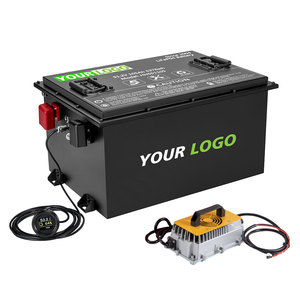
HHS Lifepo4 Golf Cart Battery 36v 48v 72v 72ah 100ah 105ah 160ah 200ah Golf Cart Lithium Battery Conversion Kits with Charger
36V/48V/72V
72Ah - 200Ah
Complete Kit
Discover expert perspectives, custom battery design guides, charging solutions, and industry updates from USA engineers.
Heavy-duty drop-in conversion kits, smart Bluetooth BMS integration, and high-capacity LiFePO4 battery modules engineered for OEM fleets, commercial golf carts, and resort utility vehicles.
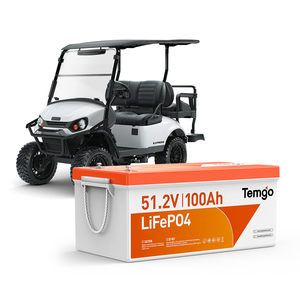
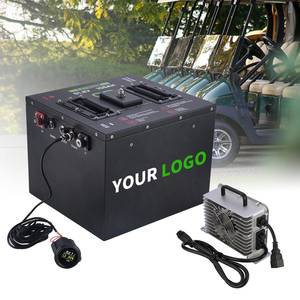
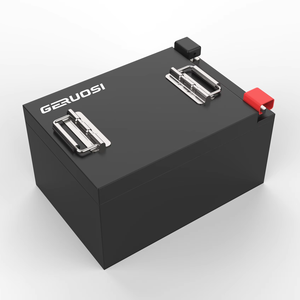
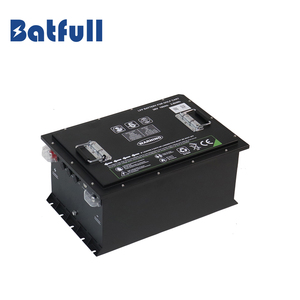
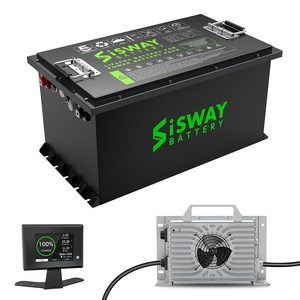
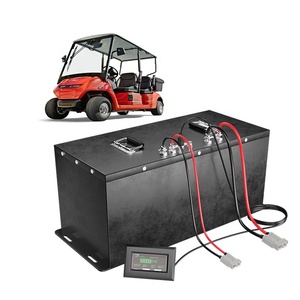
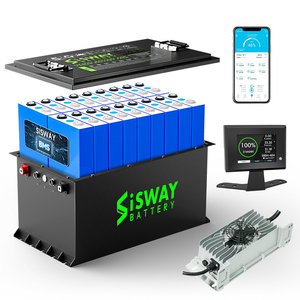
The global commercial golf cart and light utility vehicle (LUV) market is undergoing a structural transition toward high-density Lithium Iron Phosphate (LiFePO4) battery packs. Driven by the aggressive electrification targets of golf resorts, industrial parks, airports, and smart municipal fleet operators, traditional flooded lead-acid and AGM batteries are rapidly being phased out due to high maintenance overhead, limited cycle life, and low energy efficiency.
Commercial operators procuring from verified golf cart battery pack factories and exporters require more than simple off-the-shelf energy storage. Modern fleet management demands drop-in physical compatibility with legacy chassis (such as EZGO, Club Car, and Yamaha), real-time telematics via CANbus and Bluetooth connectivity, automotive-grade Battery Management Systems (BMS), and extreme thermal stability under heavy daily duty cycles.
Based on global trade intelligence and high-volume B2B sourcing data, fleet directors and OEM purchasers must align their procurement strategies with four critical technological innovations over the next decade:
Integrated Bluetooth 5.0 and RS485/CANbus protocols allow fleet technicians to monitor State of Charge (SoC), individual cell voltages, temperature thresholds, and health diagnostic logs via mobile apps or centralized fleet software in real-time.
Next-generation 48V (51.2V nominal) and 72V commercial packs feature up to 200A continuous discharge capabilities and 400A peak surge ratings (30 seconds), accommodating upgraded high-torque controllers (Navitas, Curtis) and heavy cargo loads.
Unlike lead-acid units requiring periodic distilled water refilling and terminal corrosion cleanup, LiFePO4 batteries feature zero maintenance, 1-hour fast-charging profiles, and up to 80% weight reduction for enhanced vehicle acceleration.
A rigorous financial and performance breakdown comparing traditional 48V Lead-Acid battery banks with Tier-1 Commercial LiFePO4 Lithium Battery Packs over a 6-year operational lifecycle.
| Evaluation Parameter | Standard Lead-Acid (AGM/Flooded) | Commercial Grade LiFePO4 Pack | Commercial Fleet Advantage |
|---|---|---|---|
| Expected Cycle Life (80% DoD) | 500 – 800 Cycles | 3,500 – 6,000+ Cycles | 7x Longer Operational Lifespan |
| Usable Energy Density | 50% Depth of Discharge | 100% Depth of Discharge | 2x Available Range per Charge |
| Average Charge Duration | 8 – 10 Hours (Slow Trickle) | 1.5 – 2.5 Hours (Fast Charge) | 75% Downtime Reduction |
| Weight per 48V 100Ah System | 320 lbs – 380 lbs (Heavy) | 95 lbs – 115 lbs (Ultra-Light) | Saves ~260 lbs (Less Turf Wear) |
| Operational Maintenance | Monthly Water Top-Up & Acid Cleaning | Zero Maintenance (Sealed IP67) | Eliminates Labor Overhead |
| 6-Year Replacement Frequency | 2 to 3 Complete Replacements | 0 Replacements Needed | Significantly Lower CapEx |
| BMS Safety Protection | None (External Thermal Risk) | Automotive Grade Active BMS | Mitigates Thermal Runaway Risk |
When selecting a manufacturing partner for commercial golf cart battery packs, enterprise purchasers must verify rigid engineering qualifications to prevent thermal safety failures, short pack lifespans, and supply chain delays. High-volume export factories must adhere to strict international compliance standards:
1. Grade-A Prismatic vs. Cylindrical Cell Selection: Leading commercial exporters prioritize brand-new Grade-A LiFePO4 prismatic cells (CATL, EVE, BYD) with matched internal impedance (within 0.3mΩ) and precise capacity grading. Reputable factories strictly avoid B-grade or second-life recycled cells that cause premature pack imbalance.
2. BMS Thermal Runaway Protection & Active Balancing: An automotive-grade BMS serves as the central control unit of the battery pack. Crucial protective features include dual temperature sensors (NTC), high-current cut-off relays, over-voltage/under-voltage cell monitoring, and 1A–2A active cell balancing to ensure uniform voltage retention across all series strings.
3. Comprehensive Dangerous Goods Certification: International shipping of lithium-ion batteries requires strict compliance with UN38.3 (transport safety test), MSDS, CE, RoHS, and IEC62619 standards. Verified exporters provide complete documentation for sea freight (Class 9 HazMat) and air clearance.
Technical and commercial answers for fleet buyers, distributors, and golf cart conversion specialists.
The voltage system dictates the motor speed and torque performance of the cart. 36V is standard for legacy utility carts; 48V (or 51.2V nominal LiFePO4) is the industry standard for modern 4-to-6-seater passenger carts providing optimized balance of speed and range; 72V systems are engineered for high-performance, heavy-duty commercial utility cars requiring rapid acceleration and steep incline hill-climbing capabilities.
Yes. Commercial factories design specialized drop-in conversion kits. These custom-molded powder-coated metal or plastic enclosures match standard lead-acid battery tray footprints, eliminating the need for frame modification. They include custom mounting brackets, digital state-of-charge meters, and matching high-amp chargers.
Lithium Iron Phosphate (LiFePO4) offers far superior thermal and chemical stability compared to NCM/NCA chemistries. It possesses an extremely high thermal runaway threshold (over 500°C), zero risk of oxygen release during high-current discharges, and over double the cycle life, making it the safest option for fleet storage and outdoor operating conditions.
For carts equipped with upgraded 400A – 600A aftermarket controllers (e.g., Navitas or Curtis), the battery pack must feature a smart BMS rated for at least 150A to 200A continuous discharge, with burst rating capabilities of 350A – 500A for 5 to 30 seconds during heavy acceleration or uphill towing.
Integrated Bluetooth modules allow maintenance personnel to scan carts wirelessly using a smartphone or handheld tablet. Technicians can instantly view total cycle count, individual cell voltage balance, real-time current draw, internal cell temperatures, and diagnostic fault history without dismantling battery covers.
Verified exporters supply matching CC/CV (Constant Current / Constant Voltage) intelligent chargers optimized for LiFePO4 charge curves. Standard chargers feature automatic cut-off upon full charge, IP65/IP67 weatherproofing, and custom plugs matching cart charge ports (e.g., Club Car 3-pin, EZGO RXV/TXT, or universal Crowfoot connectors).
Decades of industrial power systems engineering, automated manufacturing lines, and worldwide OEM exporter capabilities.
Our manufacturing facilities utilize automated cell testing and sorting systems to pair cells with near-zero voltage and internal resistance deviation, ensuring maximum pack longevity and capacity retention.
Every commercial pack undergoes strict 100% burn-in capacity cycle tests, thermal imaging inspection, vibration drop testing, and environmental moisture testing prior to export packaging.
From private labeling, custom metal casing, bespoke CANbus firmware integration, to high-voltage commercial configurations—our engineering team provides end-to-end custom development support.