Battery Engineering Blog
Discover expert perspectives, custom battery design guides, charging solutions, and industry updates from USA engineers.
Recommended Medical & Wearable Battery Modules
Engineered to comply with rigorous medical safety mandates (IEC 62133, ISO 13485, UL 2054). Featuring ultra-reliable BMS protection, precision energy density, and body-contour friendly form factors.
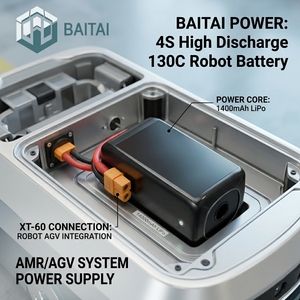
130C 1400mAh 4S High Discharge LiPo Battery Pack for Mobile Surgical & Wearable Power
Voltage/Capacity: 14.8V | 1400mAh
Feature: High C-Rate Peak Pulse Discharge
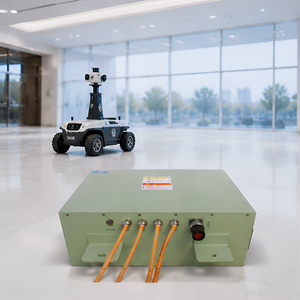
72V 60Ah LiFePO4 Medical Cart & Robotic Assist Pack with Custom Smart BMS
Voltage/Capacity: 72V | 60Ah
Feature: CANbus / SMBus BMS Protocol
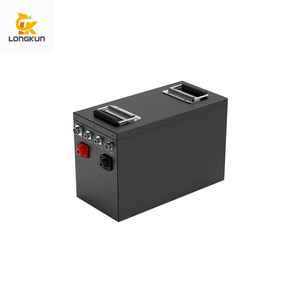
24V 30Ah Rechargeable Li-ion Battery System for Portable Telemetry & Clinical Equipment
Voltage/Capacity: 25.9V | 30Ah
Feature: Extended Cycle Life & Compact Case
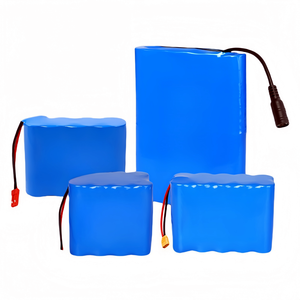
OEM Modular Li-ion Pack (3.7V - 14.8V) for Wearable Patient Monitors & Diagnostic Gear
Voltage: Custom 3.7V - 14.8V
Feature: IEC 62133 Certified Architecture
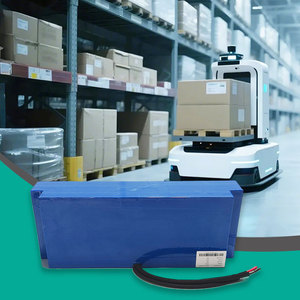
Ultra-Safe 9Ah LTO Battery Pack with Fast Charge Capacity for Critical Wearable Care
Capacity: 9Ah Continuous
Feature: Extreme Thermal Stability & >10k Cycles
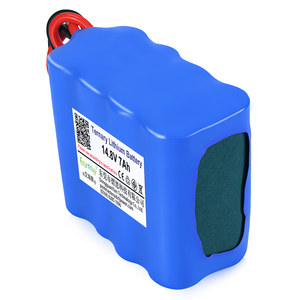
14.8V 7Ah NMC 4S2P Compact Battery Pack for Wearable Exoskeletons & Mobility Devices
Voltage/Capacity: 14.8V | 7Ah
Feature: Ergonomic Form Factor & Low Self-Discharge
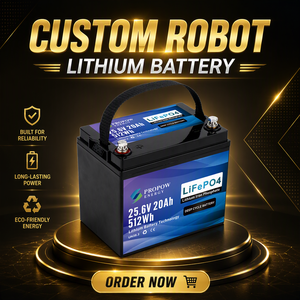
Custom 12V/24V 20Ah LiFePO4 Smart Battery Pack for Mobile Clinical Diagnostic Platforms
Voltage/Capacity: 12V/24V | 20Ah
Feature: Integrated Precision Gauge & Overcharge Lockout
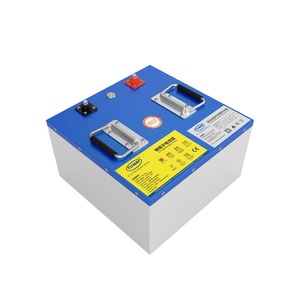
24V Wide-Temp (-20°C~60°C) 50Ah-100Ah LiFePO4 Battery System with Smart BMS
Capacity Options: 50Ah / 60Ah / 80Ah / 100Ah
Feature: Sub-Zero Operation & Active Balancing
The Evolution of Wearable Medical Battery Architecture
The global transition toward remote patient monitoring (RPM), ambulatory healthcare systems, continuous glucose monitoring (CGM), wearable cardiac defibrillators (WCD), and smart telemetry patches has reshaped OEM procurement criteria. Today, a wearable medical device battery is no longer a simple off-the-shelf energy component; it is an active safety-critical system governing patient compliance, bio-compatibility, data accuracy, and functional longevity.
Key Takeaway for OEM Procurement Directors:
Modern wearable medical devices require customized micro-battery systems engineered with redundant safety circuits (BMS), ultra-low self-discharge rates, high gravimetric energy densities (>250 Wh/kg), and body-contoured ergonomic housings that withstand stringent thermal stress and ingress protection (IP67/IP68) standards.
Table 1: Technical Comparison of Medical Battery Chemistries for Wearables
| Battery Chemistry | Nominal Cell Voltage | Energy Density (Wh/kg) | Cycle Life (80% DOD) | Safety Profile | Primary Medical Wearable Application |
|---|---|---|---|---|---|
| Lithium Polymer (Li-Po) | 3.7V - 3.85V | 200 - 280 Wh/kg | 500 - 1,000 | High (Requires BMS) | Ultra-thin body patches, smart watches, cardiac monitors |
| Lithium Iron Phosphate (LiFePO4) | 3.2V - 3.3V | 120 - 160 Wh/kg | 2,000 - 5,000+ | Ultra-High (Thermal Stability) | Ambulatory infusion pumps, wearable exoskeletons, mobile robotics |
| Lithium Titanate (LTO) | 2.3V - 2.4V | 70 - 110 Wh/kg | 10,000 - 20,000 | Maximum (Non-flammable) | Continuous critical monitoring, high-use clinical equipment |
| Lithium Coin/Button (Li-MnO2) | 3.0V | 150 - 220 Wh/kg | Primary (Non-rechargeable) | Excellent | Disposable glucose sensors, temperature patches, hearing aids |
| Solid-State Micro Batteries | 3.8V | 300 - 400 Wh/kg (Emerging) | 1,000+ | Intrinsic Zero Leakage | Next-generation implantables, bio-compatible micro-wearables |
Top 10 Wearable Medical Device Battery Packs Manufacturers & Suppliers (2025 Edition)
Evaluated based on engineering depth, ISO 13485 / ISO 9001 certifications, custom BMS integration capabilities, cell supply-chain stability, and global medical OEM track record.
Overview & Key Strengths: Founded in 1983 in Bedford, Pennsylvania, Cell-Con is an industry-leading USA manufacturer specializing in custom smart battery pack assembly, medical-grade battery chargers, and power conversion systems. With over 40 years of engineering experience, Cell-Con designs tailored Lithium-Ion, LiFePO4, and NiMH battery packs specifically designed for demanding medical device, military, and robotics OEMs. They offer complete end-to-end design, custom PCB BMS engineering, fast prototyping, and ISO 9001 quality management.
Core Specialty: Custom Smart Battery Assemblies with SMBus/I2C protocols, IEC 62133 & UL 2054 compliant medical packs, USA assembly.
Overview & Key Strengths: VARTA is a European powerhouse in micro-battery technologies, renowned for its CoinPower series used extensively in wearable healthcare products, hearing aids, and miniaturized sensor patches. VARTA offers exceptional energy density in compact form factors backed by automated German manufacturing standards.
Overview & Key Strengths: Panasonic remains a dominant global supplier of premium cylindrical and pin-type lithium-ion cells. Their pin-shaped lithium batteries (CG series) are tailored for lightweight wearable medical devices like smart pens, continuous monitoring sensors, and wearable health bands.
Overview & Key Strengths: Ultralife manufactures non-rechargeable and rechargeable battery packs engineered for critical medical equipment, including surgical instruments, ventilators, and ambulatory monitors. They bring deep expertise in high-reliability primary lithium chemistries.
Overview & Key Strengths: Saft specializes in advanced-technology battery solutions for industrial and healthcare applications. Their primary Lithium-Thionyl Chloride (Li-SOCl2) cells offer unmatched operational lifespan and thermal durability for long-term telemetry and diagnostic devices.
Overview & Key Strengths: Energizer provides reliable miniature primary batteries widely utilized in patient point-of-care testing equipment, wearable diagnostic patches, and digital health monitoring tools, offering standardized quality and global availability.
Overview & Key Strengths: Known for extreme reliability in aerospace and implantable medical devices, EaglePicher builds specialized power solutions for cardiac pacemakers, neurostimulators, and wearable medical pulse units requiring zero-fail guarantees.
Overview & Key Strengths: Established in 1995, EEMB produces a broad variety of lithium primary and secondary battery packs. They offer customizable thin-film lithium polymer cells suited for flexible wearable medical patches and temperature loggers.
Overview & Key Strengths: Tadiran is famous for its Pulsetote and iTLI primary cell technologies capable of providing 10 to 20 years of maintenance-free continuous operation in low-power medical sensors and remote patient tracking equipment.
Overview & Key Strengths: Grepow is a leader in custom-shaped lithium polymer batteries (curved, ring-shaped, ultra-thin, trapezoidal). Their body-contoured battery designs allow medical OEMs to maximize internal device space in wearable rings, armbands, and biosensor patches.
Product Development & Strategic Sourcing Trends
How next-generation battery innovations are reshaping the procurement landscape for OEM medical device engineers.
1. Smart BMS & AI-Powered Fuel Gauging
Modern wearable medical devices mandate exact State-of-Charge (SoC) and State-of-Health (SoH) metrics. Implementation of SMBus v1.1, I2C, and HDQ communication protocols allows medical devices to predict remaining runtime to within 1% accuracy, preventing catastrophic shutdown during patient care.
2. Flexible & Body-Contoured Form Factors
Rigid rectangular cells are being replaced by flexible, curved, and ultra-thin micro-pouch cells (< 1.5mm thickness). These ergonomic architectures allow wearable monitors to adhere smoothly to patient skin, significantly boosting patient comfort and sensor compliance.
3. Wireless Inductive Charging Integration
Hermetically sealed wearable medical devices eliminate physical charging pins to achieve IP68 waterproof ratings and facilitate thorough chemical sterilization in clinical environments. Custom battery packs are increasingly paired with integrated Qi/NFC wireless charging receiver coils.
4. Strict ISO 13485 & Regulatory Compliance
Global regulatory bodies (US FDA, EU MDR) are penalizing battery-related field failures. Sourcing strategies now prioritize suppliers with ISO 13485 quality management systems, full material traceability, UN 38.3 transport testing, and IEC 62133 safety certifications.
Wearable Medical Battery Procurement FAQs
Addressing core engineering, regulatory, and supply-chain inquiries for OEM procurement specialists.
What safety certifications are required for wearable medical battery packs?
At a minimum, wearable medical device batteries must hold IEC 62133-2 (safety requirements for portable sealed secondary cells), UN 38.3 (transportation safety), and UL 2054 (standard for household and commercial batteries). For North American and European medical device market clearance (FDA 510(k) or EU MDR), manufacturing facilities operating under ISO 13485 or ISO 9001 standards are strongly recommended.
How does a Smart Battery Management System (BMS) protect medical devices?
A medical-grade Smart BMS acts as an active protection controller. It continuously monitors individual cell voltages, charge/discharge currents, ambient temperature, and cell impedance. It guards against over-voltage, under-voltage, over-current, short circuit, and thermal runaway. Additionally, integrated fuel gauges communicate real-time capacity and cycle history directly to the host device microcontroller via I2C, SMBus, or CANbus.
Why choose Lithium-Ion Polymer (LiPo) over standard cylindrical cells for wearables?
LiPo cells utilize a flexible gel electrolyte housed in laminated aluminum pouch foil. This allows manufacturers to construct customized ultra-thin form factors (down to 0.4mm) with high gravimetric energy density. Unlike rigid cylindrical 18650 cells, LiPo cells can be designed into rectangular, curved, or trapezoidal shapes to maximize space usage within compact wearable housings.
What steps reduce supply chain risk when sourcing custom medical battery packs?
OEMs should select vertically integrated manufacturers capable of handling cell sourcing, PCB BMS design, plastic casing tooling, electronic assembly, and regulatory testing under one roof. Partnering with established U.S. or ISO-certified domestic pack assemblers like Cell-Con reduces lead time volatility, protects intellectual property, and simplifies ongoing regulatory audits.
Can custom battery packs be designed for extreme temperature or sterilizable environments?
Yes. By utilizing specialized chemistries such as Lithium Titanate (LTO) or custom LiFePO4 formulations combined with high-temperature electrolyte additives, custom battery packs can operate safely across wide temperature bands (-20°C to +60°C or higher). Encapsulation techniques (potting) and hermetically sealed housings allow packs to sustain autoclave or chemical wipe-down cleaning processes.
40+ Years of USA Battery Engineering Leadership
Cell-Con, Inc. delivers single-source responsibility for custom smart battery packs, chargers, and power management systems.
ISO 9001 Certified Quality
All battery assembly, testing, and inspection operations are governed by certified ISO 9001 management systems, guaranteeing full lot traceability, zero-defect quality control, and rigorous safety compliance.
Custom BMS & Electronics Design
In-house electrical engineers design custom protection circuits, smart fuel gauges, and digital communication links (SMBus, I2C, HDQ, CANbus) tailored precisely to your device's system architecture.
USA Prototyping & Assembly
Headquartered in Bedford, PA, Cell-Con provides domestic engineering agility, rapid prototype turnaround, low-to-high volume production flexibility, and direct technical consultation.
Accelerate Your Wearable Medical Device Project
Collaborate with our senior application engineers to design, build, and certify a custom smart battery solution tailored to your exact mechanical and electrical requirements.