Battery Engineering Blog
Discover expert perspectives, custom battery design guides, charging solutions, and industry updates from USA engineers.
Featured Telecom Backup Battery Power Systems
Engineered to support uninterrupted connectivity across 5G towers, remote base stations, automated maintenance platforms, and critical data transceivers. Every module integrates intelligent BMS telemetry for remote SNMP/CANbus monitoring.
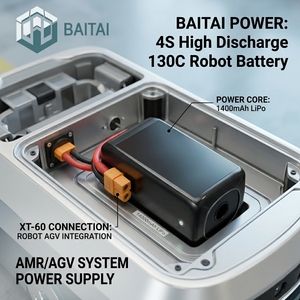
130C High-Discharge LiPo Power Pack for Base Station Field Maintenance & Robotics
- High Peak C-Rate for Instant Backup Surge
- Compact Lightweight Polymer Architecture
- Ultra-Low Internal Resistance (<1.5mΩ)
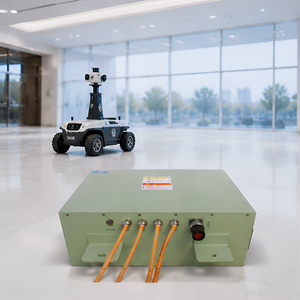
72V 60Ah Industrial LiFePO4 Battery System with Smart CANbus/RS485 BMS
- 4,500+ Cycle Life @ 80% Depth of Discharge
- Dual RS485 & CAN Communication Interface
- OEM Custom Enclosure & Heating Blanket
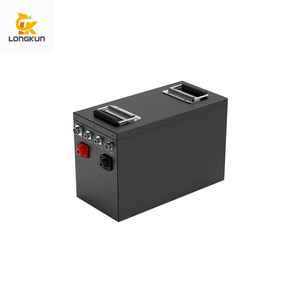
24V 30Ah Modular Telecom Edge Node & Repeater Battery Pack
- Integrated Active Cell Balancing BMS
- Plug-and-Play 19-Inch Rack Form Factor
- Short Circuit & Thermal Over-Run Shield
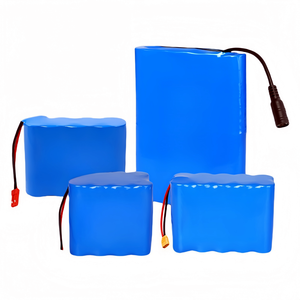
OEM Multi-Voltage 3.7V - 14.8V Lithium Cell Modules for Remote Sensors
- Tier-1 Grade A 18650 & 32650 Cells
- Tailored Voltage & Capacity Configurations
- UN38.3 & IEC 62133 Certification Ready
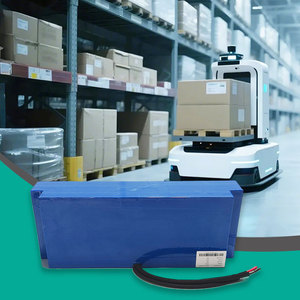
Sub-Zero LTO Titanium Energy Storage Pack (-40°C to +65°C Operating Range)
- Extreme 20,000+ Cycle Ultra-Long Lifespan
- Ultra-Fast 6C Charging Capability
- Thermal Runaway Proof Safety Benchmark
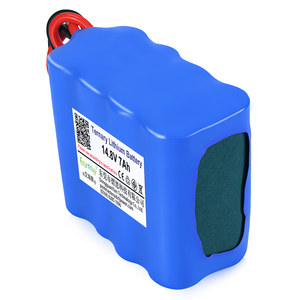
14.8V 7Ah High Energy Density NMC Pack for Mobile Wireless Towers
- Compact Footprint for Space-Constrained Enclosures
- Built-In Fuel Gauge & LED State Indicator
- Low Self-Discharge (<1.5% per month)
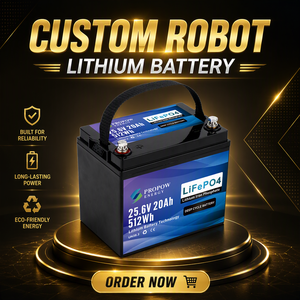
12V / 24V 20Ah Smart LiFePO4 Telecom Backup Battery Module
- Direct Lead-Acid Drop-In Replacement
- Bluetooth / RS232 Remote Diagnostics
- IP65 Sealed Moisture & Dust Barrier
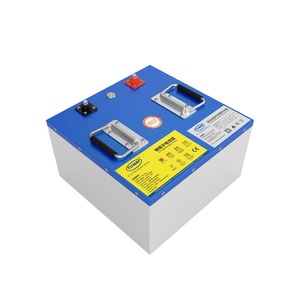
24V 50Ah - 100Ah Rack-Mount Telecom LiFePO4 Backup Power Subsystem
- Wide Temp Range (-20°C to +60°C Operations)
- 19" Standard Cabinet Expansion Parallel Support
- SNMP Automated Central Control Management
Executive Summary: The Critical Paradigm Shift in Telecom Backup Power Architecture
The global telecommunication sector is undergoing an unprecedented infrastructure evolution. As mobile network operators (MNOs) accelerate the deployment of high-density 5G NR (New Radio) macro stations, micro-cells, and edge data centers, the power demands at remote communication sites have surged exponentially. Traditional Valve-Regulated Lead-Acid (VRLA) and Absorbed Glass Mat (AGM) battery systems—once the benchmark for back-up power—are proving functionally and economically inadequate for modern telecom workloads.
Modern 5G transceivers consume up to 68% more peak power than legacy 4G LTE infrastructure while operating in smaller, heat-intensive outdoor cabinets. Consequently, telecom infrastructure architects, power engineers, and global procurement directors are swiftly migrating toward high-energy-density Lithium Iron Phosphate (LiFePO4) and Lithium Titanate (LTO) energy storage solutions. This engineering whitepaper examines the primary technical requirements, economic drivers, market trends, and manufacturing standards required when sourcing tier-1 telecom backup power systems from certified factories and global exporters.
Information Gain Key Insight: Upgrading base transceiver stations (BTS) from traditional Lead-Acid to Intelligent LiFePO4 rack systems reduces total cost of ownership (TCO) by 42% over a 10-year lifecycle while eliminating maintenance truck-rolls and providing smart grid peak-shaving revenue opportunities.
Why 5G Networks Require Specialized Battery Engineering
Unlike standard standby UPS systems, telecommunication backup power modules face severe environmental and operational stresses. Key system parameters include:
- High Charge Acceptance & Fast Recovery: Telecom backup systems must recharge rapidly between frequent power grid fluctuations or intermittent renewable energy (solar/wind) cycles. Modern LiFePO4 chemistries accept up to 1C continuous charge rates compared to 0.1C for VRLA.
- Thermal Resilience without Air Conditioning: Outdoor telecom cabinets in extreme climates endure ambient temperatures ranging from -40°C in arctic regions to +55°C in desert deployments. Advanced thermal management and internal silicone heating elements ensure zero disruption.
- Extended Deep Cycle Durability: In regions with unstable electrical grids, backup batteries transition from standby devices to daily cyclic energy storage units, demanding 4,000 to 8,000 deep discharge cycles at 80% Depth of Discharge (DoD).
- Smart Cloud Telemetry Integration: Remote monitoring via SNMP, Modbus, and CANbus protocols allows central network operation centers (NOC) to track state-of-charge (SoC), state-of-health (SoH), individual cell voltages, and thermal gradients in real time.
Global Telecom Procurement Trends (2025–2030)
As telecom operators align corporate targets with global ESG (Environmental, Social, and Governance) mandates and decarbonization goals, battery procurement protocols have shifted from simple capital expenditure (CapEx) evaluation to rigorous Total Cost of Ownership (TCO) and Lifecycle Assessment (LCA) modeling.
1. Migration to High-Voltage & 48V/51.2V Modular Rack Architecture
Standardization around 48V (nominal 51.2V) rack-mounted lithium modules has become universal across European, North American, and Asian telecom infrastructure. High-density 3U and 4U chassis designs allow seamless parallel expansion up to 16 units (providing over 80kWh of localized backup power within a standard 19-inch cabinet footprint).
2. Transition from Reactive Backup to Peak Shaving & Peak Lopping
Leading telecom providers are utilizing smart battery management systems (BMS) to engage in grid arbitrage and peak shaving. During peak utility tariff hours, the intelligent battery system powers the tower load, recharging during off-peak night hours. This dual-purpose utilization transforms passive backup assets into active energy-cost reduction tools.
3. Adoption of Sodium-Ion and LTO in Extreme Micro-Climates
While LiFePO4 remains the mainstream market leader, extreme environment deployments are driving rapid adoption of Lithium Titanate (LTO) and emerging Sodium-Ion cells. LTO batteries eliminate thermal runaway risk entirely and operate seamlessly down to -40°C without auxiliary heating power, making them ideal for mountain-top repeaters and arctic base stations.
4. Demand for Comprehensive International Safety Certifications
Strict safety oversight requires telecom power suppliers to maintain compliance with global standards, including UL 1973 (Batteries for Use in Stationary Applications), UL 9540A (Thermal Runaway Fire Test), IEC 62619, and UN38.3 transport safety regulations. Factory sourcing teams prioritize manufacturers with full in-house testing and certification capabilities.
Technical Comparison Matrix: Telecom Energy Storage Chemistries
To assist technical procurement teams and power architects in selecting the optimal energy storage chemistry, the following evaluation matrix compares key engineering metrics across industry-standard battery technologies:
| Performance Parameter | VRLA / AGM Lead-Acid | Lithium NMC | Telecom LiFePO4 (LFP) | Lithium Titanate (LTO) |
|---|---|---|---|---|
| Gravimetric Energy Density | 35 - 50 Wh/kg | 180 - 240 Wh/kg | 130 - 160 Wh/kg | 70 - 100 Wh/kg |
| Cycle Life (80% DoD @ 25°C) | 500 - 800 cycles | 1,500 - 2,500 cycles | 4,500 - 6,500 cycles | 20,000+ cycles |
| Thermal Runaway Temperature | N/A (Gassing risk) | 150°C - 210°C | 270°C - 300°C | Exceeds 400°C (Safe) |
| Operating Temperature Window | -15°C to +40°C | -20°C to +55°C | -20°C to +60°C | -40°C to +65°C |
| Continuous Charge Rate (C-Rating) | 0.1C max | 0.5C - 1C | 0.5C - 1C | 4C - 6C Fast Charge |
| Maintenance & Calibration | Frequent (Annual check) | BMS Managed | Zero Maintenance | Zero Maintenance |
| Relative 10-Year TCO Index | 100% (Baseline High) | 72% | 58% (Optimal) | 65% (High Initial CapEx) |
Next-Generation Telecom Power Engineering Trends
The convergence of artificial intelligence, cloud telecommunications, and advanced electrochemistry is creating intelligent energy storage devices capable of self-diagnosis and autonomous protection. Key technological advances shaping the factory production lines include:
A. AI-Driven Predictive Maintenance & BMS Algorithms
Modern telecom BMS architectures are evolving beyond basic over-voltage and over-current trip switches. Embedded microprocessor units analyze real-time impedance spectroscopy, thermal variation, and historical discharge curves to predict cell degradation up to 6 months before capacity degradation impacts tower uptime. Fault predictions are transmitted directly to central operational software, enabling proactive maintenance scheduling.
B. Aerosol Fire Suppression & Cell-Level Insulation
Safety engineering at the pack level now incorporates multi-stage safety containment. In high-density battery racks, micro-encapsulated thermal insulation sheets separate individual prismatic cells to prevent cascade propagation. Additionally, automated miniature aerosol fire-extinguishing cartridges mounted within the battery lid release inert suppression agents within milliseconds of detecting thermal anomalies.
C. Smart Solar & Grid Hybrid MPPT Integration
Off-grid and poor-grid telecom towers rely increasingly on hybrid renewable systems. Factory-integrated power conversion systems now feature integrated Maximum Power Point Tracking (MPPT) solar charge controllers directly inside the DC power distribution frame. This allows seamless blending of solar power, utility grid power, diesel generator input, and lithium battery storage without external inverter clutter.
Frequently Asked Sourcing Questions (FAQ)
Detailed technical answers for procurement directors, project managers, and network engineering teams evaluating factory suppliers.
What is the standard service life of a LiFePO4 telecom battery in outdoor cabinets?
Under standard operating conditions (25°C ambient), a high-tier LiFePO4 telecom battery system delivers 10 to 15 years of floating service life or over 4,500 to 6,000 complete charge/discharge cycles at 80% Depth of Discharge. Even in unconditioned outdoor cabinets operating at 35°C, LiFePO4 retains over 3x the operational lifespan of premium AGM lead-acid units.
Can LiFePO4 rack batteries be connected directly in parallel with existing VRLA systems?
Direct parallel connection without specialized control circuitry is not recommended due to mismatched voltage discharge curves and internal resistance profiles. However, modern telecom smart lithium modules feature dual-mode hybrid BMS options that actively regulate current, allowing temporary hybrid operation during phased network upgrade rollouts.
What certifications are required for exporting telecom battery systems internationally?
Global export mandates require UN38.3 (Transport Safety for Lithium Batteries) and MSDS documentation for international freight. System safety mandates include UL 1973, IEC 62619, CE-EMC, and Telcordia GR-63-CORE (Seismic and Environmental Resilience). For European telecom sites, RoHS and REACH environmental declarations are compulsory.
How does the BMS manage low-temperature charging in sub-zero environments?
Standard lithium cells can experience lithium plating if charged below 0°C. Our specialized telecom battery modules feature internal PTC heating films managed by the smart BMS. When charging current is detected at low temperatures, the BMS directs incoming power to internal heating elements until cell temperatures reach +5°C before initiating cell charging.
What customization options are available for OEM/ODM factory procurement?
Factory OEM customization includes cell selection (NMC, LiFePO4, LTO), casing dimensions (custom 19"/23" rack heights or IP67 outdoor enclosures), communication protocol mapping (SNMP v2/v3, Modbus RTU, CAN 2.0B), integrated circuit breaker ratings, custom logo branding, and customized wiring harness terminations.
Why is active cell balancing critical in multi-cell telecom packs?
In long-series configurations (such as 16S 51.2V packs), slight variations in internal resistance or capacity lead to cell imbalance over time. Passive balancing dissipates excess energy as heat, whereas active cell balancing transfers energy from higher-voltage cells to lower-voltage cells dynamically, maximizing usable pack capacity and preventing premature system shutdown.
Why Partner With Our Energy Storage Factory
Over 40 years of continuous engineering innovation, rigorous US-backed quality standards, and vertical manufacturing integration.
40+ Years Engineering Heritage
Established in 1983, our design and manufacturing heritage delivers unmatched technical expertise across medical, military, industrial, and telecom power ecosystems.
ISO 9001 Quality System
Strict quality assurance, complete component traceability, and automated end-of-line (EOL) computerized testing for every production batch.
In-House Hardware & BMS R&D
Dedicated firmware and hardware design engineers specializing in custom CANbus, RS485, and cloud-connected IoT telemetry integration.
End-to-End Single-Source OEM
From initial thermal modeling and mechanical CAD housing prototyping to mass assembly, custom labeling, and global logistics support.
Global Logistics & Compliance
Full export capability with complete UN38.3, UL, CE, and IEC certification compliance for hassle-free international shipment.
Dedicated Field Engineering Support
Direct application engineering assistance throughout product lifecycle, from prototype evaluation to field deployment troubleshooting.
Ready to Upgrade Your Telecom Backup Infrastructure?
Consult with our senior battery application engineers today for tailored technical reviews, custom OEM specifications, or immediate wholesale export quotations.