Technical Whitepaper: Electrochemistry of High-Temperature NiMH Cells
As a global tier-one High Temperature NiMH Battery Packs Supplier & Exporter, our engineering design principles address the core physics of thermal degradation in electrochemical cells. Conventional Nickel-Metal Hydride (NiMH) cells experience sharp performance declines when exposed to operational temperatures exceeding 45°C. At elevated temperatures, the oxygen evolution reaction at the positive nickel hydroxide electrode occurs at a lower potential, competing directly with the primary charge-acceptance reaction. This electrochemical side-reaction severely degrades charge efficiency, increases internal pressure, accelerates separator breakdown, and leads to rapid permanent capacity loss.
To overcome these physical limitations, China's advanced high-temperature NiMH chemistry utilizes specialized positive electrode formulations modified with rare-earth metal oxide dopants (including Yttrium Oxide Y₂O₃, Cobalt Oxide, and Calcium compounds). These dopants increase the oxygen evolution overpotential at the positive electrode, allowing full charge acceptance even under continuous elevated thermal ambient environments (+50°C to +70°C, with survival spikes up to +85°C).
Core Thermal Breakthrough: By implementing sulfonated polyolefin separators combined with proprietary alkaline electrolytes (KOH-LiOH-NaOH blends), our high-temperature NiMH battery packs mitigate thermal runaway risks, suppress self-discharge by up to 45% under continuous trickle charge, and extend operational service life to 5–10 years in critical standby applications.
Electrochemical Matrix: High-Temp NiMH vs. Alternative Lithium Chemistries
Selecting the appropriate battery chemistry requires evaluating operating temperature thresholds, inherent safety, charge/discharge kinetics, and long-term total cost of ownership (TCO). Below is a comprehensive comparison matrix for engineering procurement teams:
| Chemical System | Optimal Thermal Operating Window | Safety & Thermal Runaway Immunity | Continuous Trickle Charge Tolerance | Cycle Life @ High Temp (50°C) | Primary B2B Target Applications |
|---|---|---|---|---|---|
| High-Temp NiMH (Specialized) | -20°C to +70°C (Surge to 85°C) | Extreme (Non-flammable electrolyte) | Superior (Optimized for continuous charge) | 1,000 to 2,500 Cycles | Emergency Lighting, Automotive Telematics (eCall), Solar Lighting, Industrial Controls |
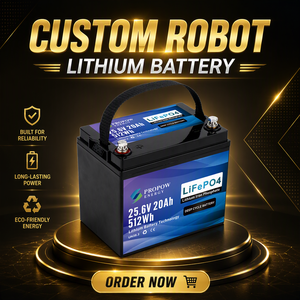
| LiFePO4 (Lithium Iron Phosphate) | -20°C to +60°C | High (Stable olivine structure) | Requires Smart BMS Cut-off | 2,000 to 4,000 Cycles | AGV/AMR Autonomous Robots, Heavy Material Handling, Energy Storage Systems (ESS) |
| LTO (Lithium Titanate) | -40°C to +65°C | Ultra-High (Zero dendrite formation) | Requires Smart BMS Cut-off | 15,000 to 20,000 Cycles | Fast-charging AGVs, Cold Chain Storage, Continuous Heavy Industrial Automation |
| NMC / High-Discharge LiPo | -10°C to +50°C | Moderate (Thermal management mandatory) | Not Suitable (Strict BMS mandatory) | 500 to 1,200 Cycles | High-Burst Service Robots, Drones, Compact Portable Power Tools |